Why Is My Furnace Not Turning On? Step-by-Step Checks
A furnace that won’t turn on is usually something simple: a thermostat setting, a tripped breaker, a switch someone bumped, a door panel that isn’t seated, or a clogged filter. Furnaces are also built with safety switches that shut the system down on purpose when something isn’t right, so a “dead” furnace is often a furnace protecting itself.
This guide walks through the checks in the order most homeowners should try them, starting with the easiest. It also covers when to stop and call a professional.
This is general information only. Furnaces use gas or high-voltage electricity and can produce carbon monoxide. If you’re not comfortable with any step, or if you smell gas, stop and get professional help.
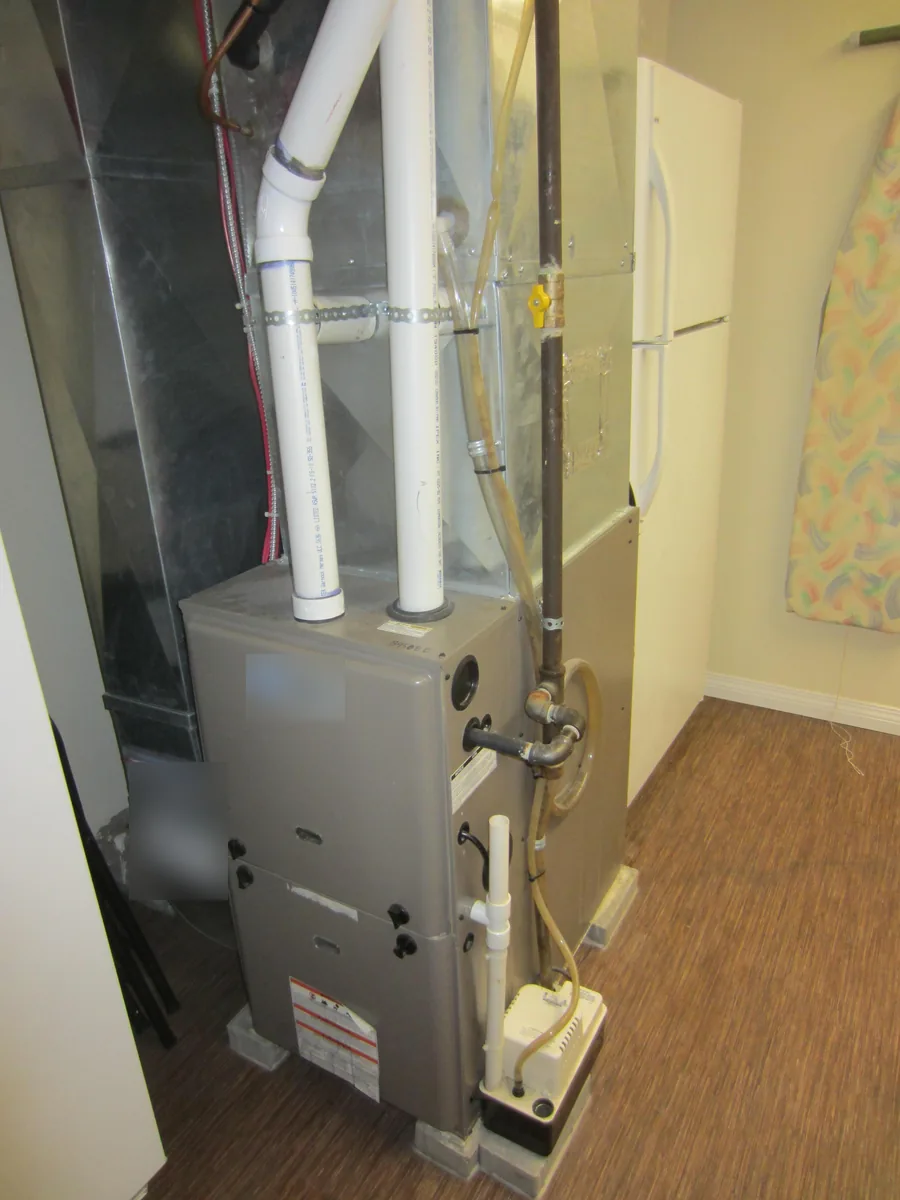

Safety first: gas smell and carbon monoxide
Before you troubleshoot anything, rule out two emergencies:
- If you smell gas (often described as rotten eggs), don’t touch light switches, the thermostat, or any appliance, and don’t try to relight anything. Leave the house, then call your gas utility’s emergency line or 911 from outside.
- If a carbon monoxide (CO) alarm is sounding, or people in the home have headaches, dizziness, nausea, or flu-like symptoms that ease when they leave, get everyone outside into fresh air and call 911 or the fire department. Don’t go back in until responders say it’s safe.
Carbon monoxide has no color or smell, and the EPA lists leaking or back-drafting furnaces and blocked or disconnected flues among its common household sources (see the EPA’s carbon monoxide guidance). Working CO alarms near sleeping areas are the best protection. If you don’t have them, add them to your list.
Also turn off power to the furnace before opening any panel beyond the filter door. Never bypass a safety switch to get the furnace running.
1. Check the thermostat
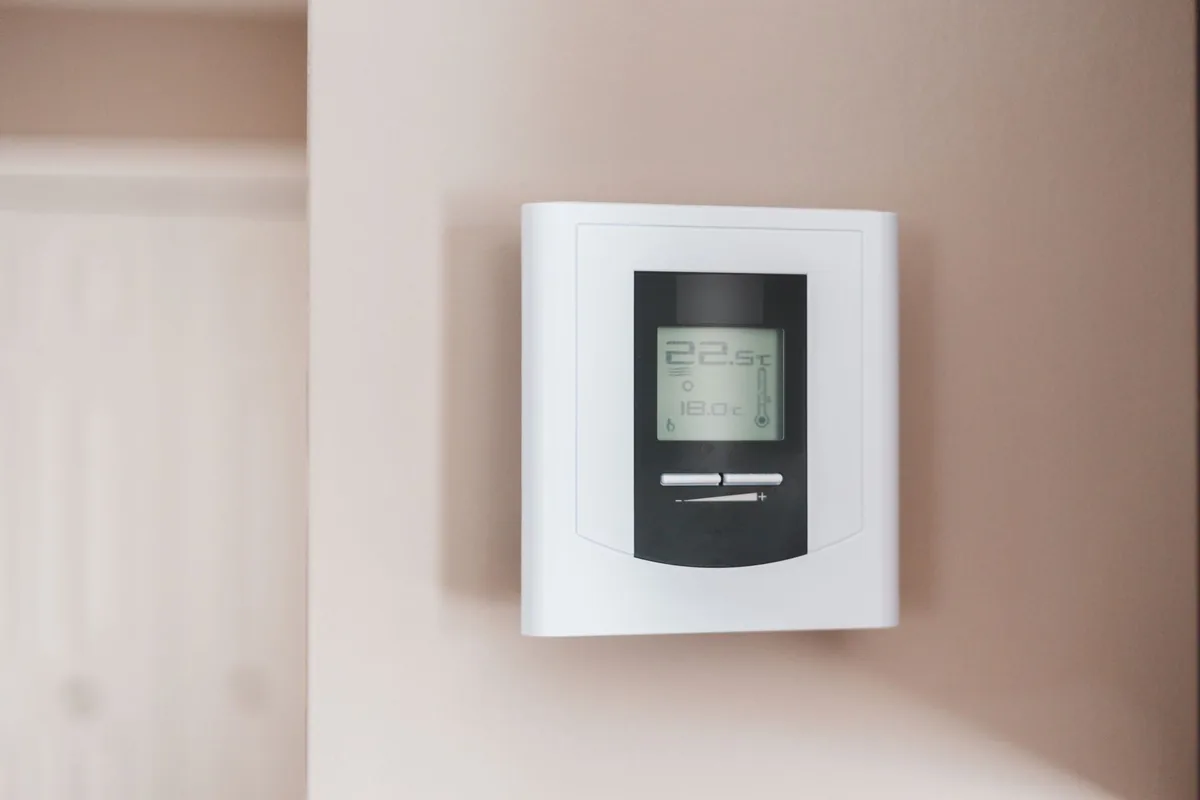
The thermostat is the furnace’s on switch, so start there. It sounds obvious, but thermostat settings cause a lot of no-heat calls.
- Mode: Make sure it’s set to Heat, not Cool, Off, or Fan only.
- Set temperature: Raise the setting a few degrees above the current room temperature so the thermostat actually calls for heat.
- Schedules and holds: A programmed schedule or an “away” setting can override what you just set. Look for a hold or temporary override, or check the schedule.
- Batteries: A blank or dim screen often means dead batteries. Many thermostats also show a low-battery icon. Replace them even if the screen looks okay, since weak batteries can cause odd behavior.
- Smart thermostats: Check the app for error messages and confirm the thermostat has power. Some models lose power when the furnace is off, so the screen going dark can be a symptom rather than the cause.
Wait a few minutes after changing settings. Many furnaces run a short startup sequence before you feel any warm air.
2. Check the breaker and the furnace power switch
A furnace needs electricity even if it burns gas. The controls, igniter, inducer motor, and blower all run on power.
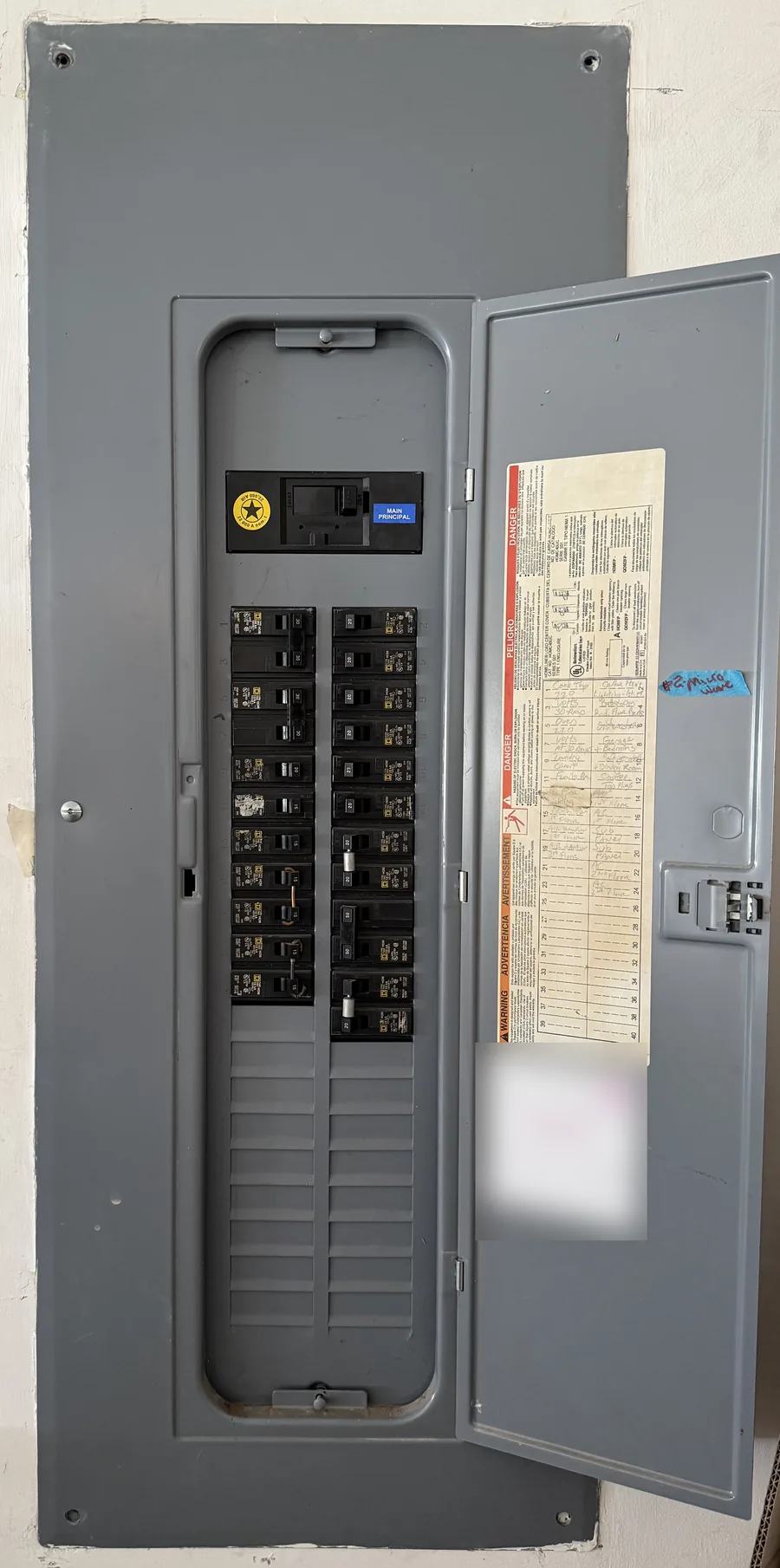
- Breaker panel: Find the breaker labeled furnace, HVAC, or air handler. A tripped breaker usually sits in the middle or looks out of line with the others. Turn it fully off, then back on. If it trips again right away, leave it off and call a pro, because that points to an electrical problem.
- Furnace power switch: Most furnaces have a switch on or near the unit that looks just like a light switch, often on the wall or ceiling nearby, sometimes with a red cover plate. It’s easy to flip by mistake when someone is looking for a light. Make sure it’s on.
- Fuses: Some furnaces have a small fuse on the control board or in a separate box. If you see a blown fuse, it’s worth having a technician find out why before simply replacing it.

3. Make sure the furnace door is closed tight
Most furnaces have a door safety switch, a small push-button switch that cuts power when the blower compartment door is removed. If the door was taken off to change the filter and put back slightly crooked, the furnace may not run at all.
Take the door off and set it back in place firmly so it sits flat and the switch is pressed in. Then give the furnace a few minutes. Don’t tape or hold the switch down to run the furnace with the door off. That door keeps you away from moving parts and electrical components, and on many furnaces it helps keep combustion working correctly.
4. Replace a dirty air filter
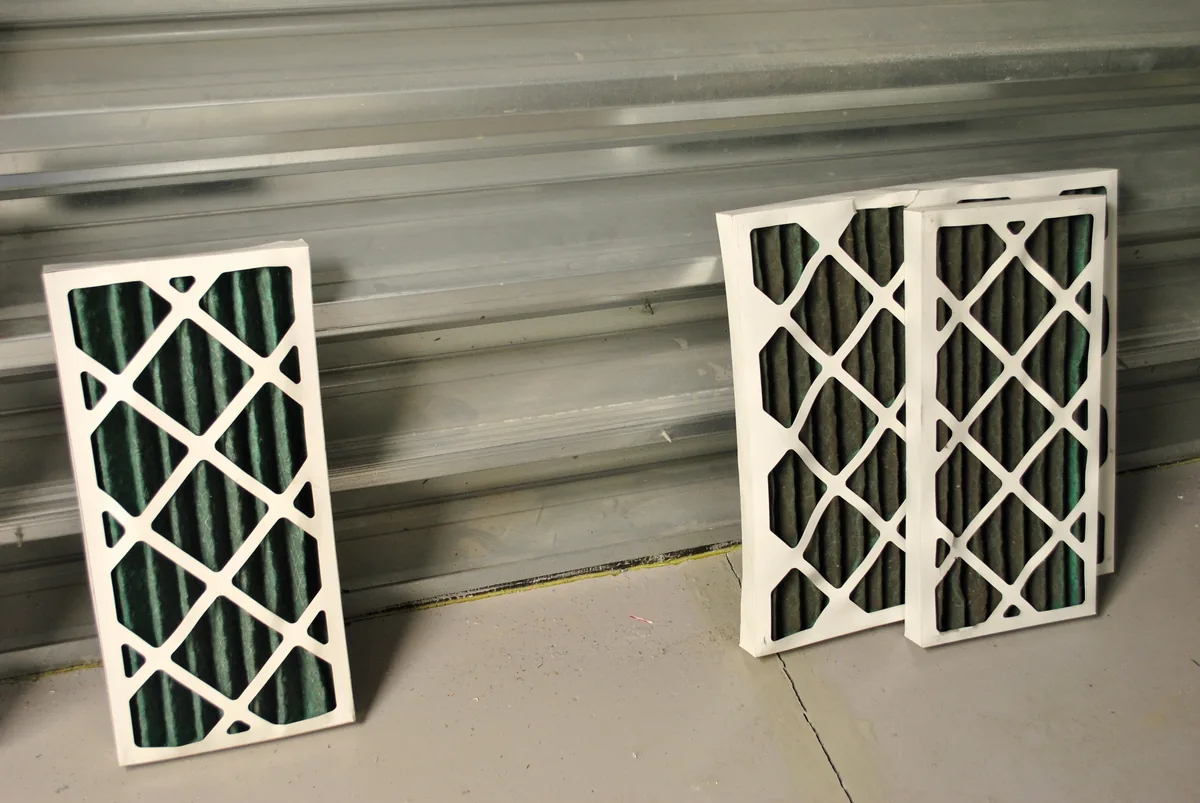
A badly clogged filter restricts airflow, and the furnace can overheat. When that happens, a high-limit safety switch shuts the burners off. You may notice the furnace starting, running briefly, and shutting down, or blowing air that isn’t warm. Repeated overheating can also lock the furnace out until it’s reset.
Pull the filter and hold it up to a light. If you can barely see light through it, replace it. If you’re not sure which size to buy, see our guide on how to find your air filter size. Make sure the airflow arrow on the new filter points toward the furnace.

5. Confirm the gas supply and the ignition
If the furnace has power and the thermostat is calling for heat, the next question is whether it’s trying to light.
- Gas valve: Look for the shutoff valve on the gas line going into the furnace. The handle is usually in line with the pipe when it’s open and crosswise when it’s closed. If it’s closed and you don’t know why, it may have been shut off on purpose, so check with whoever did it before opening it. If you have other gas appliances, such as a stove or water heater, check whether they’re working too. If none of them are, the problem may be your gas service, so contact your gas utility.
- Standing pilot (older furnaces): If your furnace has a small flame that is supposed to stay lit, see whether it’s out. Relighting a pilot should follow the instructions printed on the label inside the furnace. If there’s no label, you can’t follow it, or the pilot won’t stay lit, call a technician.
- Electronic ignition (most newer furnaces): These don’t have a standing pilot. Instead, a hot surface igniter glows orange or a spark igniter clicks. Through the sight window, you may see the igniter glow, then the burners light. If the igniter glows but the burners never light, or nothing glows at all, an igniter or gas valve problem is likely, and that’s a job for a pro.
A furnace that tries to light several times and fails will often lock out for a while, and it may take a power reset before it tries again.
6. Know the flame sensor symptom
A common pattern: the burners light, stay on for a few seconds, then shut off, and the furnace repeats the cycle. That often points to the flame sensor, a thin metal rod in the burner flame that tells the control board a flame is present. If the sensor is coated with residue, the board doesn’t “see” the flame and shuts the gas off as a safety measure.
Cleaning a flame sensor is a common service task. If you’re experienced and comfortable turning off power and gas, your furnace manual may describe how. Otherwise, mention this symptom to your technician. It helps them diagnose the problem quickly.
7. High-efficiency furnaces: condensate drain and vent pipes
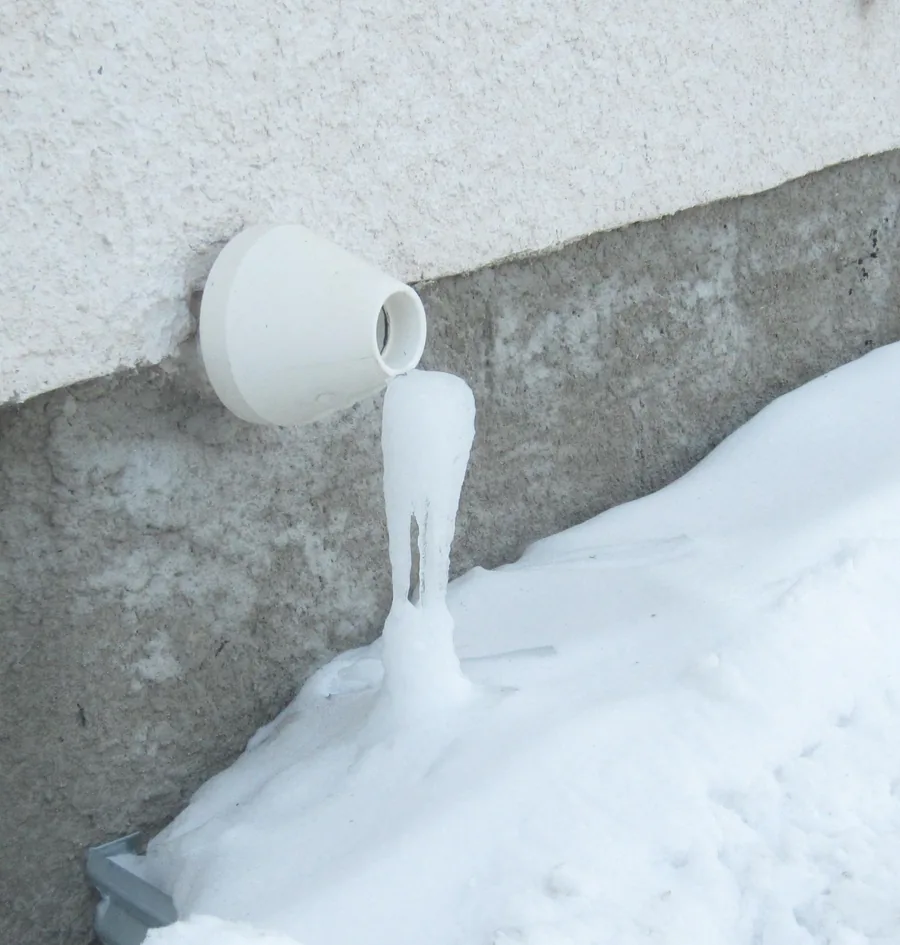
High-efficiency (condensing) furnaces usually have two white plastic pipes, one bringing in air and one venting exhaust, plus a drain line for the water they produce. These parts create their own reasons a furnace may not start.
- Clogged condensate drain or float switch: If the drain line, trap, or condensate pump backs up, a safety switch can stop the furnace. Look for water on the floor, a full condensate pump, or a kinked drain tube. Some pumps have a reservoir you can check.
- Blocked vent or intake outside: Snow, ice, leaves, or a bird nest at the outdoor pipe ends can trip a pressure switch, so the furnace won’t light. Clear snow and debris gently by hand. Don’t chip at pipes with tools.

8. Listen for the blower
If the burners light but you never feel air from the vents, or the furnace shuts off soon after lighting, pay attention to the blower. A blower that hums but doesn’t spin, makes grinding or squealing noises, or doesn’t run at all needs a technician. Also make sure supply registers in the house are open and not blocked by furniture or rugs. Restricted airflow causes the same overheating shutdowns as a dirty filter.
9. Read the error code light
Most modern furnaces have a small LED on the control board, often visible through a little window in the lower door. It blinks in a pattern, such as three short flashes, a pause, then repeat. Somewhere inside the door, usually on a label, is a chart that explains what each pattern means, like a pressure switch problem, a flame failure, or a limit switch open.
Count the blinks before you cut power, since turning the furnace off usually clears the code. Write the pattern down, or take a short video. Even if you don’t fix anything yourself, a technician will want to know it.
When to call a professional
Call a qualified HVAC technician if:
- You smell gas or a CO alarm has gone off (after you’re safely outside and the emergency call is made).
- The breaker trips again after you reset it, or you see scorch marks or smell burning.
- The igniter glows or sparks but the burners won’t light, or the flame keeps lighting and going out.
- The error code points to a pressure switch, flame, gas valve, or control board problem.
- The blower won’t run, or the furnace keeps shutting down even with a clean filter.
- You’ve worked through the checks above and the furnace still won’t turn on.
Regular professional maintenance before heating season can catch worn igniters, dirty flame sensors, and drain problems early. See when to clean your HVAC system for a simple maintenance schedule.
FAQ
Why is my furnace blowing cold air instead of not running at all?
If the blower runs but the air is cold, the burners probably aren’t lighting or are shutting off early. Check the thermostat fan setting first. On runs the fan constantly, even between heating cycles, while Auto runs it only when heating. Then work through the filter, gas, ignition, and flame sensor checks above.
Can I reset my furnace?
Turning the power switch off for a minute and back on resets many furnaces after a lockout. If it works once but the furnace locks out again, the underlying problem is still there. Some furnaces also have a manual-reset limit switch or a reset button on certain components. If one of those keeps tripping, have the furnace inspected rather than resetting it over and over.
Why does my furnace turn on and then shut off quickly?
Short run times are often caused by a dirty filter, a dirty flame sensor, a blocked vent, or an overheating problem. Our guide on why an AC short cycles covers related airflow and thermostat issues that also apply to heating systems.
Is it safe to run my furnace with the door off?
No. The door safety switch is there to protect you from moving parts and electrical components, and on many furnaces the door helps the burners get the right air. Always put the door back on before running the furnace.
More homeowner guides for heating, cooling, and plumbing are on the Home Maintenance Guide home page.