General information only. Electrical, gas, and refrigerant work can be dangerous and in many states requires a licensed contractor. When in doubt, call a licensed pro.
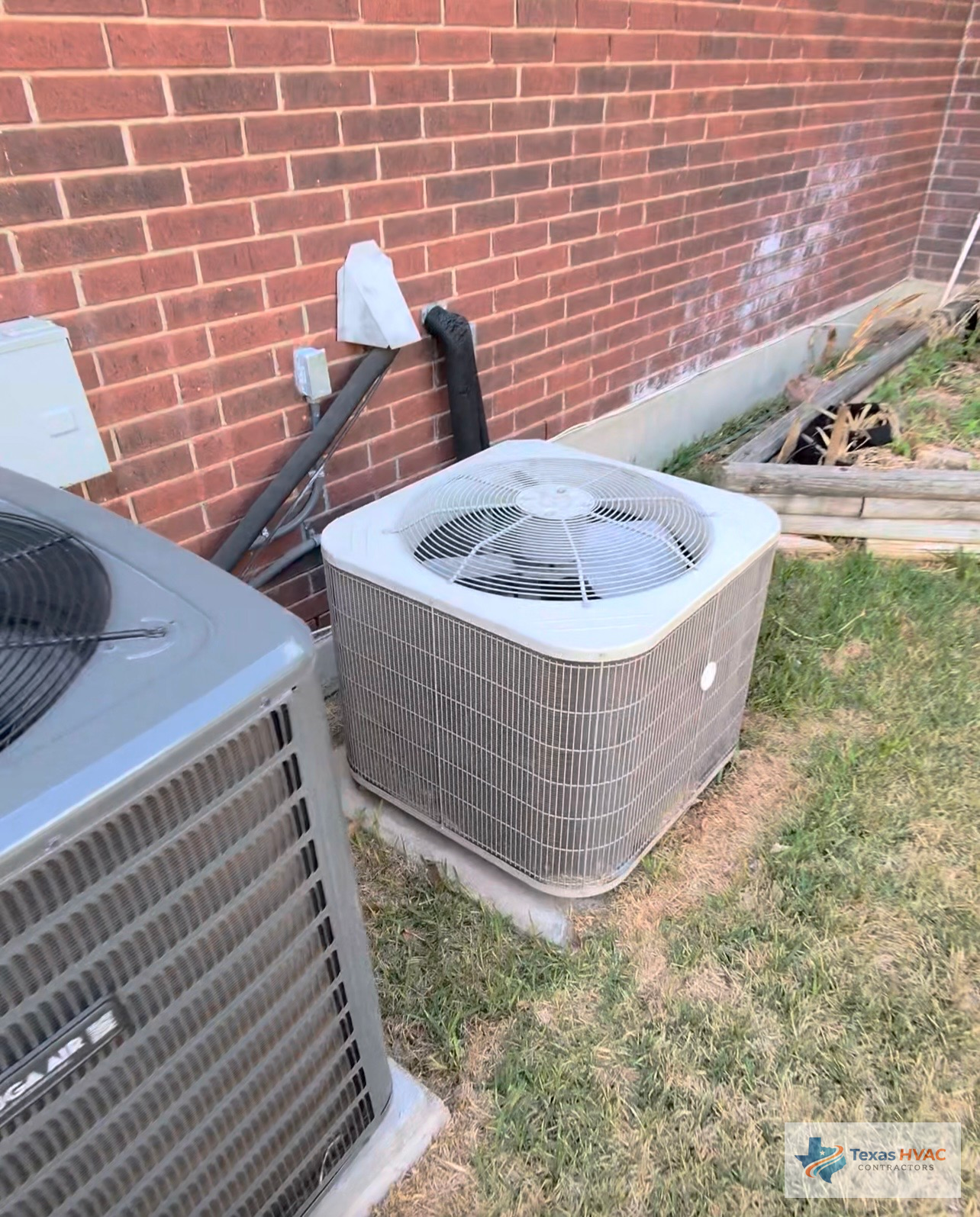
Why Storm Preparation Matters for HVAC Systems
Storms can damage outdoor AC units, electrical parts, disconnect boxes, condenser coils, and other HVAC components. Heavy rain, flying debris, lightning, and power surges can all create problems that may lead to expensive repairs.
A little HVAC storm prep can help lower the risk of breakdowns, electrical issues, and system damage after bad weather moves through your area.
HVAC Storm Preparation Checklist
Use these simple steps before severe weather, strong wind, or lightning storms arrive.
Clear the Area
Remove loose branches, yard items, and debris near the outdoor unit so they do not hit the equipment.
Check Drainage
Make sure water can drain away from the system and that the unit is not sitting where flooding may happen.
Inspect the Disconnect
Look for loose covers, rust, or visible damage around the electrical disconnect box before storm season.
Consider Surge Protection
A surge protector may help protect HVAC electrical components from lightning and power spikes.
Signs Your HVAC System May Have Storm Damage
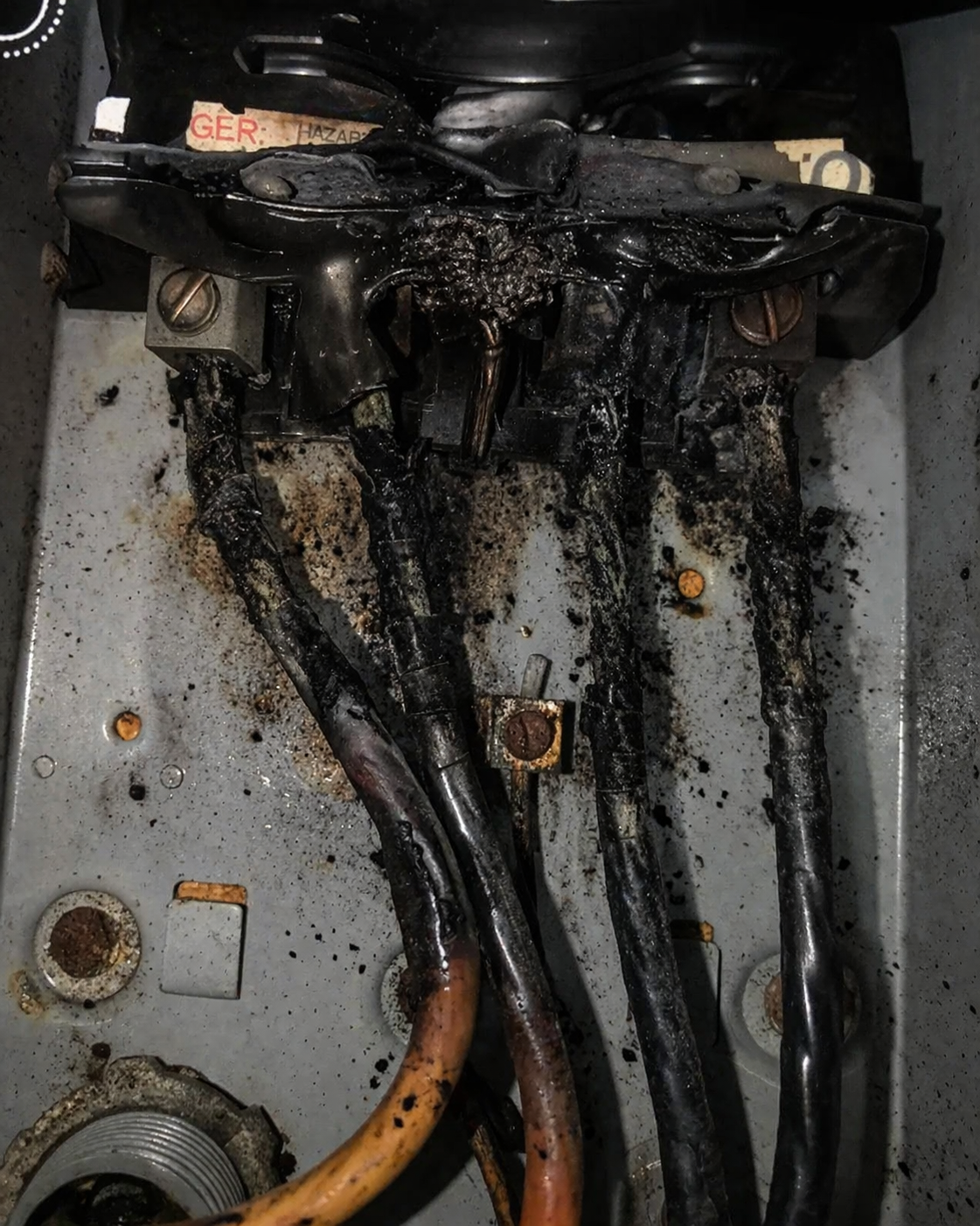
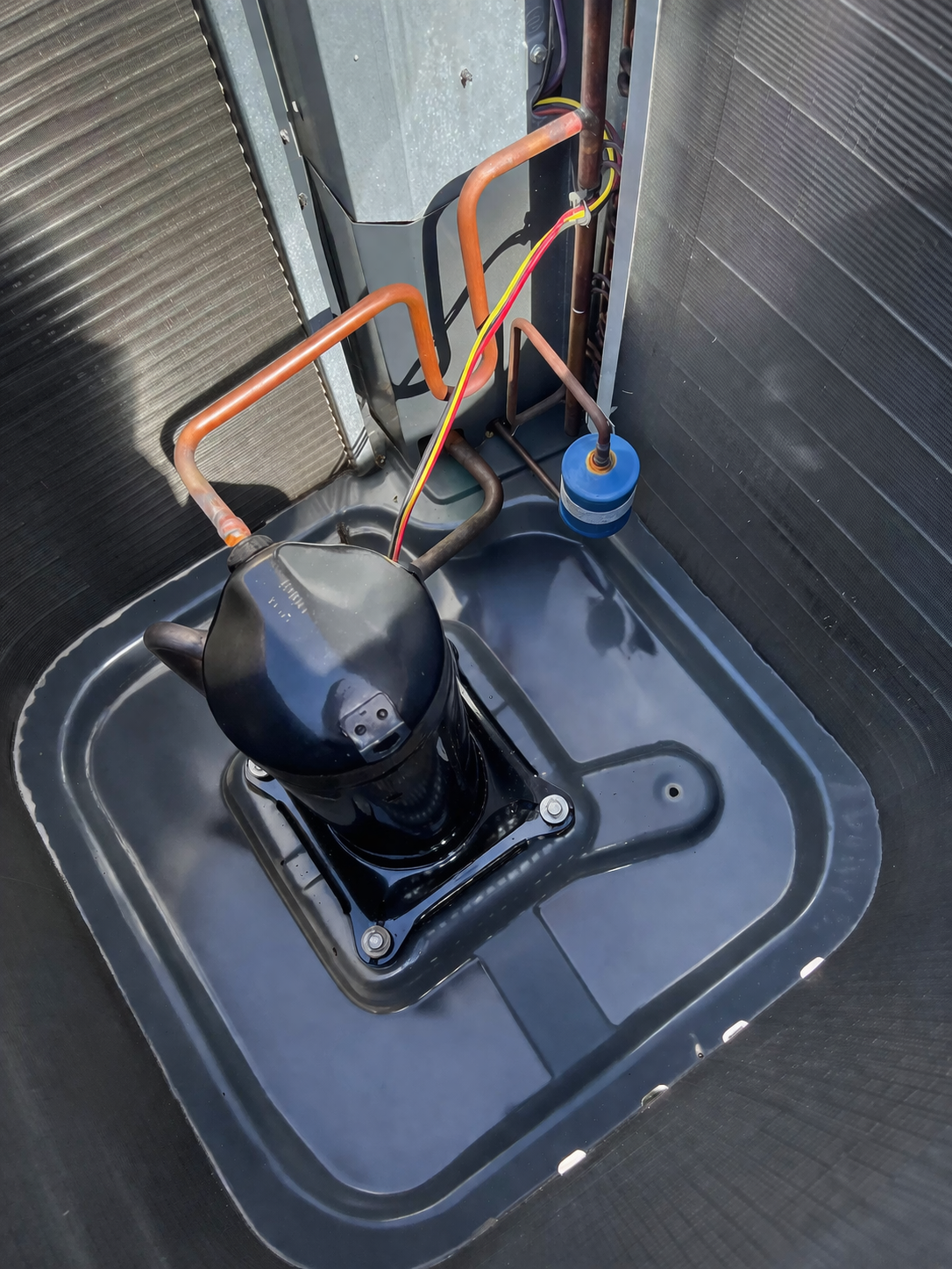
After a storm, it is smart to look for clear warning signs before turning the system back on. Even small electrical or mechanical damage can grow into a bigger repair.
What to Do After a Storm
Before restarting your HVAC system, do a basic visual inspection. If you see electrical damage, standing water, burnt wiring, or anything unusual, stop and call a licensed HVAC professional.
- Check the outdoor unit for debris, dents, or broken parts.
- Look for signs of water around electrical areas.
- Make sure the disconnect and wiring look normal.
- Listen for strange sounds if the system restarts.
- Call a pro if anything looks burnt, wet, loose, or damaged.