How to Prevent Frozen Pipes (and What to Do If One Freezes)
Water expands as it freezes, and that is exactly what makes a cold snap dangerous for plumbing. A pipe that freezes solid can split, and a split pipe can release a lot of water once it thaws, often inside a wall, a ceiling, or a crawl space where you won’t see it right away. Most frozen pipes can be prevented with some fall preparation and a few habits on the coldest nights.
Below: which pipes are most at risk, how to prepare before winter and during a freeze, how to thaw a frozen pipe safely, and what to do if one bursts.
This is general information only. If you’re not comfortable working on plumbing, can’t find your main shutoff, or a valve won’t close, call a licensed plumber.
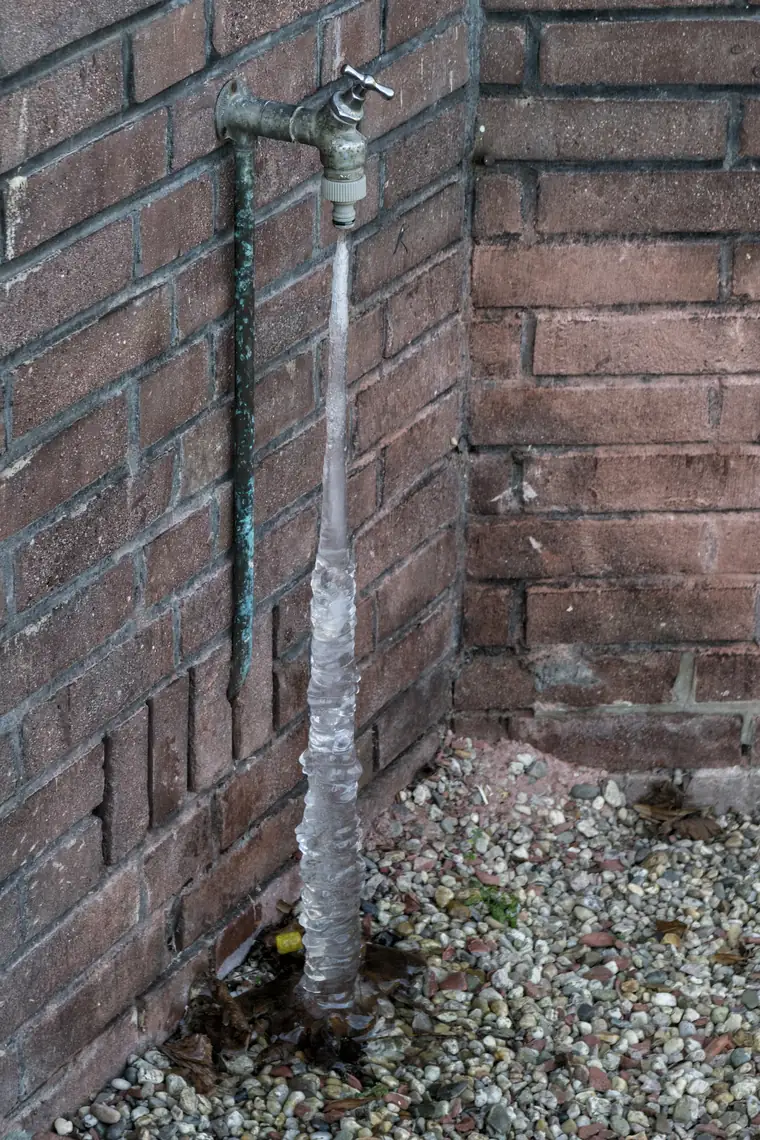

Why Frozen Pipes Burst
A pipe usually doesn’t burst right where the ice is. When a section of pipe freezes, the ice plug traps water between itself and a closed faucet. As more ice forms, it pushes against that trapped water, and pressure builds in the short stretch downstream. The pipe often splits in that section, which may have little or no ice in it at all.
That’s why a slightly open faucet helps: it gives the pressure somewhere to go. It’s also why a burst often goes unnoticed until the ice melts and water starts flowing again.
Which Pipes Are Most at Risk
Any pipe can freeze if it gets cold enough, but the ones that fail first tend to be the ones exposed to outside air or sitting in unheated space. According to the American Red Cross guidance on frozen pipes, the most vulnerable include:
- Outdoor hose bibs (spigots), swimming pool supply lines, and lawn sprinkler lines.
- Pipes in unheated interior areas such as basements, crawl spaces, attics, and garages.
- Pipes in kitchen and bathroom cabinets, especially sinks on an outside wall.
- Pipes that run along exterior walls with little or no insulation.
Homes in warmer regions deserve special attention, because plumbing there is often run through exterior walls and attics, and many older homes lack frost-proof outdoor faucets. Walk around your home and list every place water lines run near the outside or through unheated space. That list is your plan for the rest of this guide.

Before Winter: Prepare Your Pipes
The best time to deal with frozen pipes is a mild fall afternoon, not the night of a hard freeze.
Insulate exposed pipes
Cover exposed pipes in attics, crawl spaces, basements, garages, and along exterior walls. Foam pipe sleeves from a hardware store slip over the pipe; seal the seams and joints with tape so cold air can’t get in at the gaps. Insulate both hot and cold lines, since a hot-water pipe sits full of cold water whenever no one is using it.
For pipes that freeze repeatedly, electric heat tape or heat cable can help. Use only products that are UL-listed or listed by another independent testing lab, use them only for their intended indoor or outdoor purpose, and follow the manufacturer’s installation instructions closely, since improperly installed heat tape is a fire risk.
Seal gaps and drafts
A small opening where cold wind blows directly onto a pipe can freeze it even when the rest of the space is reasonably warm. Look for gaps where pipes, wires, cable lines, and dryer vents pass through exterior walls and the foundation, and seal them with caulk or spray foam. Weatherstrip doors into garages and basements, and close or temporarily cover crawl-space vents when a hard freeze is in the forecast.
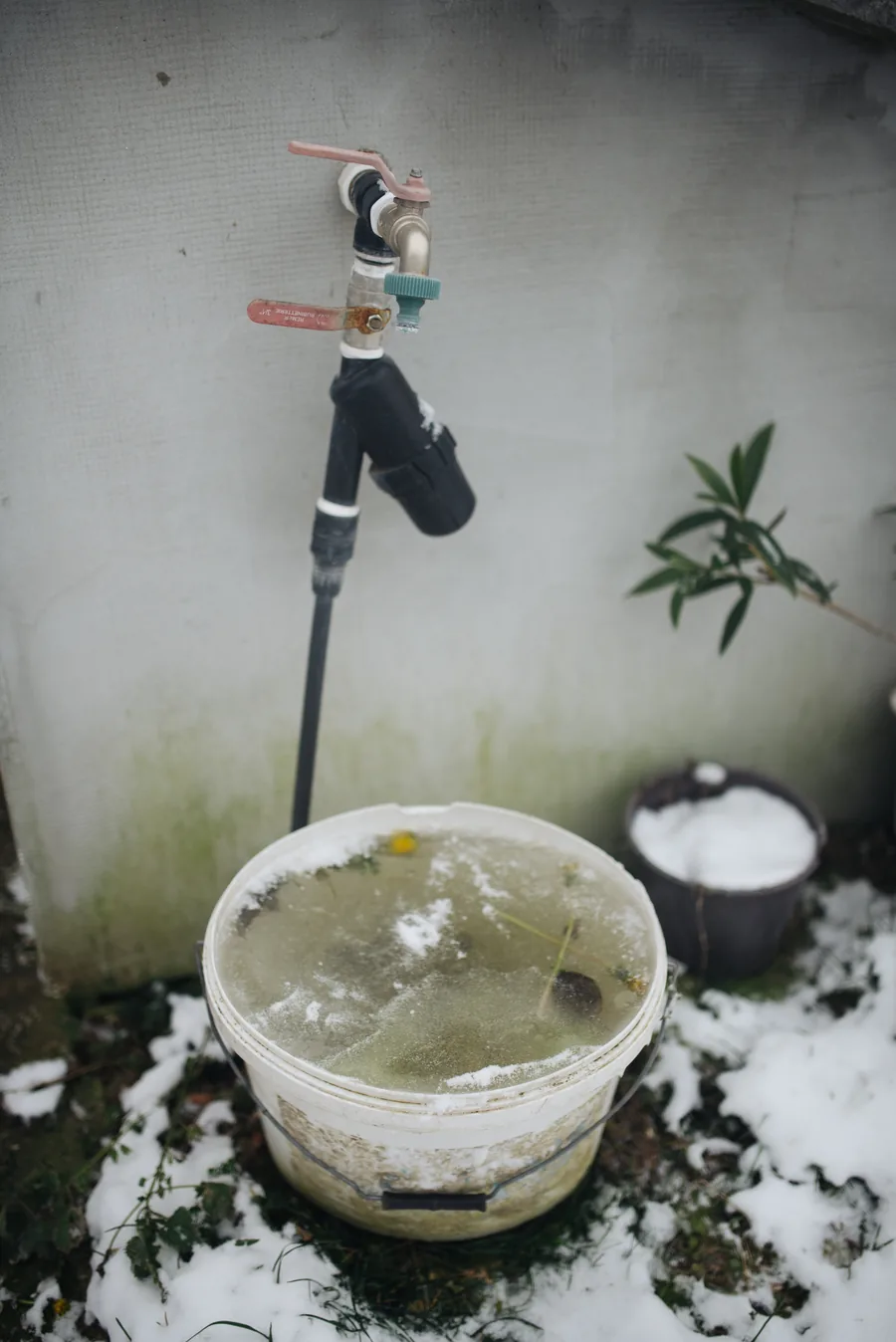
Disconnect hoses and drain outdoor faucets
Garden hoses left connected trap water in the faucet, which can freeze and split the valve or the pipe behind it. Before the first freeze:
- Disconnect every hose, drain it, and store it.
- Find the indoor shutoff valve for each outdoor faucet, usually in the basement, crawl space, or a utility area on the other side of the wall, and close it.
- Open the outdoor faucet and leave it open so any water left in the line can drain and any ice that forms has room to expand.
- If you don’t have an indoor shutoff or your outdoor faucets are not frost-proof, an insulated faucet cover adds some protection, but it is not a substitute for draining the line.
Drain sprinkler and pool lines
Irrigation systems and pool supply lines should be drained or blown out according to the manufacturer’s or installer’s instructions. Don’t put antifreeze in these lines unless the manufacturer specifically calls for it, since it can be harmful to people, pets, wildlife, and landscaping.
Find your main shutoff now
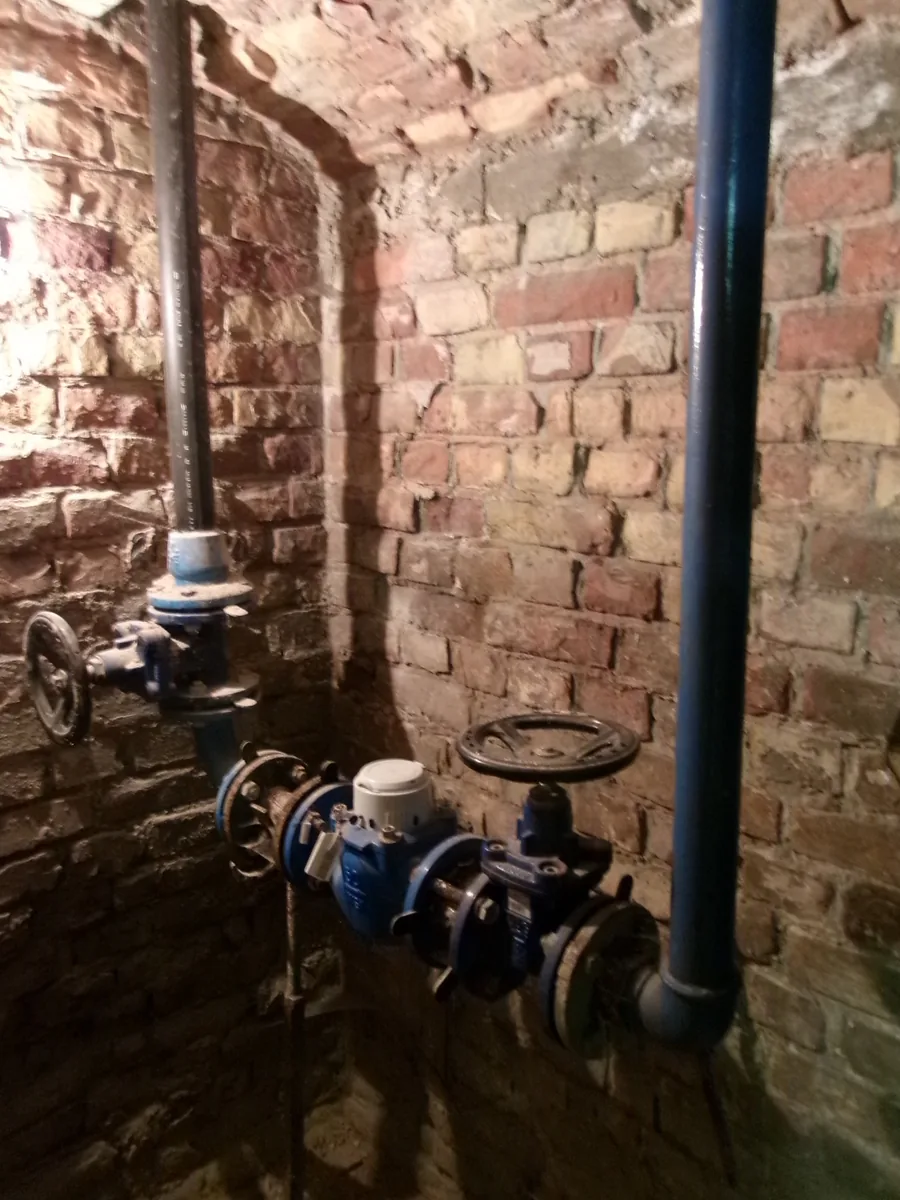
Locate the main water shutoff before you ever need it. It is usually where the water line enters the house, often in a basement, crawl space, utility room, or garage, near the water heater, or in a box near the street at the meter. Make sure it turns and that everyone in the house knows where it is. If it is stuck or corroded, have a plumber service it.
During a Freeze: What to Do Each Night
When the forecast calls for temperatures well below freezing:
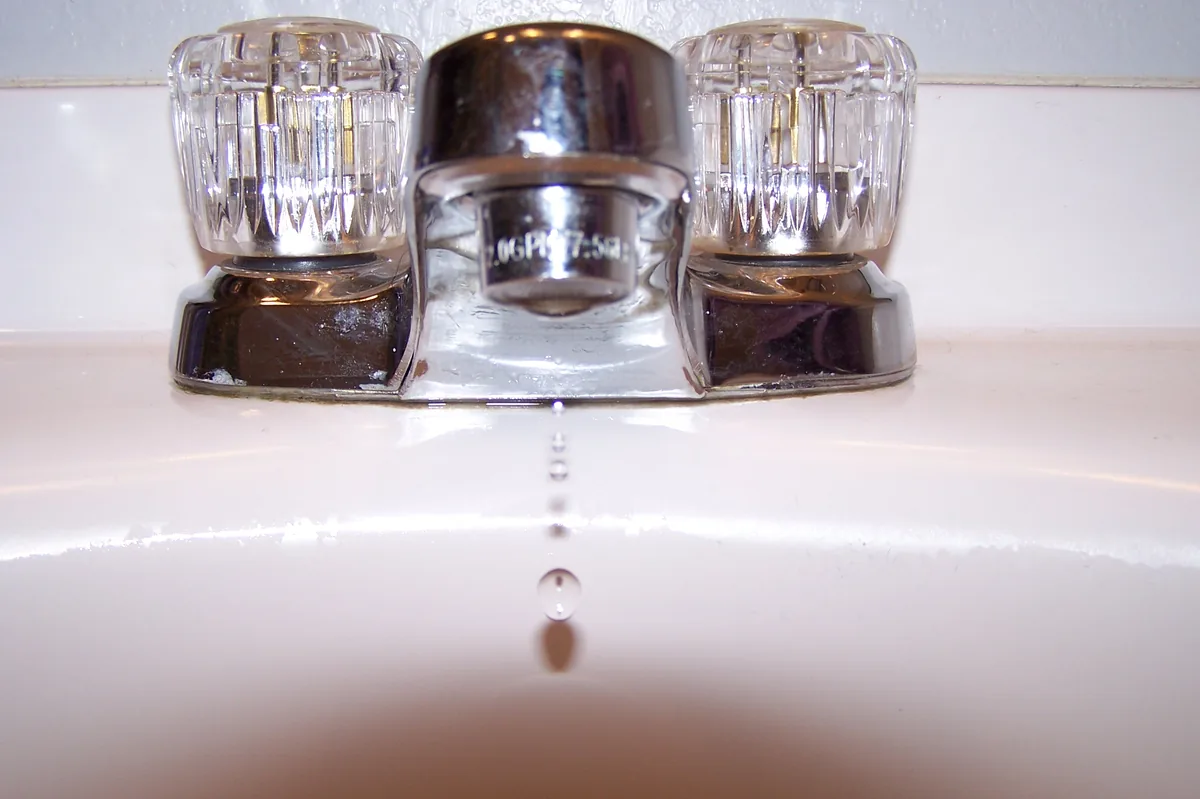
- Drip faucets on vulnerable pipes. Let cold water drip from faucets served by exposed pipes. Even a slow drip helps, because it relieves the pressure that causes bursts. On single-handle faucets, set the handle in the middle so both the hot and cold lines are protected.
- Open cabinet doors under kitchen and bathroom sinks on exterior walls so warm room air can reach the pipes. Move cleaning products and chemicals out of reach of children and pets while the doors are open.
- Keep the thermostat steady. Leave the heat at the same setting day and night rather than turning it down at bedtime.
- Keep garage doors closed, especially if water lines or a water heater are in the garage.
If your home relies on a heating system that can’t keep up during an extreme cold snap, see our guide to preparing your HVAC system for storms and extreme weather.

When You’re Away
An empty house in freezing weather is risky because no one is there to notice a problem. Before you leave:
- Set the heat no lower than 55°F, and make sure the heating system is working and has fuel if it uses propane or oil.
- Ask a trusted neighbor or friend to check the house regularly, including sink cabinets and the water heater area.
- Consider a temperature monitor or smart thermostat that sends you an alert if the indoor temperature drops.
- If you’ll be away for an extended period during prolonged freezing weather, consider shutting off the main water supply and draining the system by opening faucets on the lowest floor. Be aware that shutting off the water also disables a home fire sprinkler system, and if you aren’t sure how to drain your system safely, have a plumber do it.
How to Tell a Pipe Is Frozen
The most common sign is simple: you turn on a faucet and get only a trickle or nothing at all, even though the rest of the house has water. Other clues include frost on an exposed pipe or a bulge in a pipe. If one faucet is affected, check the others; more than one pipe may be frozen.
Frozen sections are most often along exterior walls, in unheated spaces, or where the water line enters through the foundation.
How to Thaw a Frozen Pipe Safely
If you can safely reach the frozen section, you can often thaw it yourself.
- Open the faucet the pipe serves. As the ice melts, flowing water helps melt the rest, and an open faucet relieves pressure.
- Apply gentle heat. Use an electric heating pad wrapped around the pipe, a hair dryer, a space heater kept a safe distance from anything flammable, or towels soaked in hot water.
- Work from the faucet back toward the frozen section so melting water has an open path to escape.
- Keep heating until full water pressure returns, then check every other faucet in the house.
- Look for leaks along the pipe once water is flowing again, since a crack may only show itself now.
Never use an open flame. Don’t use a blowtorch, propane torch, kerosene or propane heater, charcoal stove, or any other open-flame device to thaw pipes. They can start a fire inside a wall, damage the pipe, and create dangerous fumes. Never use electrical appliances or cords around standing water.
If water pressure stays weak after a thaw, our guide on why your water pressure is low walks through other causes worth checking.
What to Do If a Pipe Bursts
If you see water spraying, dripping from a ceiling, or pooling where it shouldn’t, act quickly:
- Shut off the main water valve right away. Leave the faucets open so the remaining water can drain from the lines.
- Turn off electricity to affected areas if water is near outlets, appliances, or the electrical panel, and only if you can reach the breaker without standing in water. If you can’t, stay out and call the utility or an electrician.
- If the water heater is in the affected area, turn it off according to the manufacturer’s instructions. Our guide on why your water heater is leaking explains how to shut one down safely.
- Call a licensed plumber to repair the pipe.
- Move valuables, remove standing water, and start drying the area as soon as it is safe. Take photos of the damage for your insurance company before cleanup.

Safety Notes
- Never thaw pipes with an open flame or fuel-burning heater.
- Keep space heaters away from flammable items and never leave them running unattended.
- Don’t stand in water while using electrical tools or appliances, and keep cords out of wet areas.
- Shutting off the main water also shuts off any fire sprinkler system in the house.
- Use heat tape only as the manufacturer directs, and only listed products.
When to Call a Plumber
Call a licensed plumber if:
- You can’t find or reach the frozen section of pipe, or it won’t thaw.
- A pipe has cracked, split, or burst, or you see water stains on ceilings or walls after a freeze.
- Your main shutoff valve is stuck, leaking, or hard to find.
- Pipes in your home freeze repeatedly; a plumber can reroute or insulate problem lines.
- You want outdoor faucets replaced with frost-proof models, or need a whole-house system drained before an extended absence.
For more help with common household plumbing problems, browse our plumbing guides.
Frequently Asked Questions
At what temperature do pipes freeze?
There’s no single number. Water freezes at 32°F, but a pipe’s risk depends on how long the cold lasts, wind, insulation, and whether the pipe is in heated space. Exposed or poorly insulated pipes are most at risk during long stretches below freezing.
Should I drip hot or cold water?
Drip cold water from faucets on exposed lines. If the faucet has a single handle, set it to the middle so both hot and cold lines get a little flow.
Will pipes thaw on their own?
They may when temperatures rise, but waiting is risky. If a pipe has cracked, the leak starts the moment the ice melts. Thaw it gently and check for leaks, or call a plumber.
Do I need to drain my outdoor faucets if they’re frost-proof?
Frost-proof faucets are designed to drain, but they only work if the hose is disconnected. Leaving a hose attached can trap water inside and defeat the design.
More homeowner guides are in our plumbing section and on the Home Maintenance Guide home page.