How to Find Your Air Filter Size for a Furnace or AC
Buying a replacement air filter should take two minutes, but the numbers on the box rarely match what your tape measure says. A filter labeled 16x25x1 might actually measure 15½ x 24½ x ¾ inches, and a filter that is even a little too small lets dusty air slip around its edges and straight into your equipment.
This guide shows you where to find your filter, how to read the size printed on it, how to measure it when the label is missing, and how to avoid the most common sizing mistakes.
This is general information only. Always turn your system off at the thermostat before removing a filter, and never open sealed panels or electrical compartments on your furnace or air handler. When in doubt, call a licensed HVAC pro.
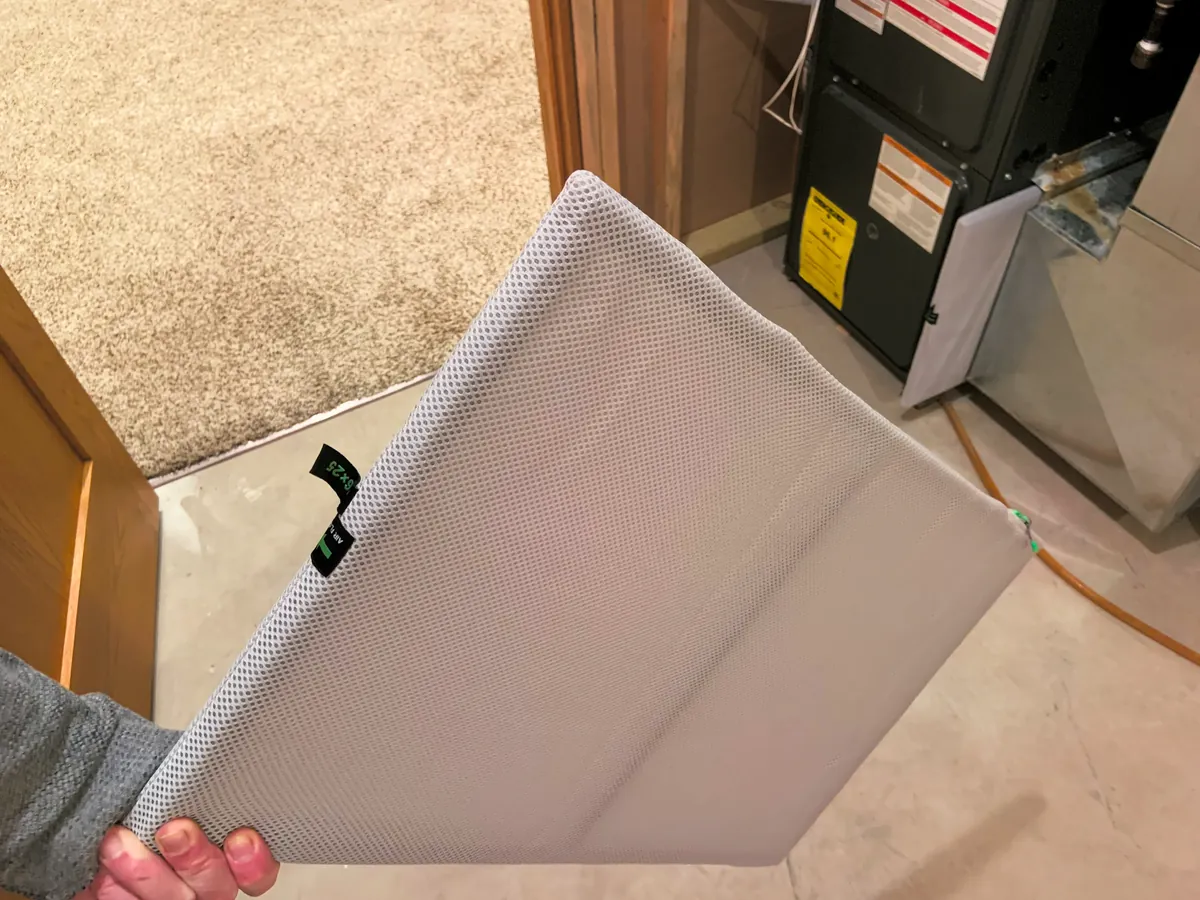
Why the Right Filter Size Matters
Your filter sits in the return air path, so every bit of air your system heats or cools passes through it first. When the filter fits its slot snugly, the air has to go through the filter media. When it is undersized, air takes the easy route through the gaps around the frame, carrying dust, pet hair, and debris onto the blower and the indoor coil.
A filter that is too big causes the opposite problem. People bend it, crush the frame, or leave a panel partly open to make it fit. A bent filter leaks air around the edges, and an open panel can pull in unfiltered air from the space around the furnace.
Getting the size right is also the first step before choosing a filter rating or deciding how often to change it. A clogged or poorly fitted filter is one of the most common reasons for airflow problems, including an AC that short cycles or a frozen coil that leaks water as it thaws.
Step 1: Find Where Your Filter Is
Before you can read the size, you need to find the filter. Most homes have one of these setups:
- A slot at the furnace or air handler. Look for a narrow cover or door on the side, bottom, or top of the unit, or on the return duct right next to it. Many basement, garage, closet, and attic systems use this layout.
- Behind a return air grille. Some homes put the filter behind a large grille in a wall or ceiling, often in a hallway. The grille usually has latches or thumb screws so it can swing open.
- A media cabinet. Thicker filters, often 4 to 5 inches deep, sit in a dedicated cabinet beside the furnace with a removable access door.
- More than one location. Larger homes and homes with two systems may have several return grilles, each with its own filter, and the sizes are not always the same.
If you can’t find it, check the owner’s manual for your furnace or air handler. The model number is on a label on the unit, and most manufacturers post manuals on their websites.
Step 2: Read the Size Printed on the Old Filter
Turn the system off at the thermostat, then slide out the old filter. Before you throw it away, look at the edge of the cardboard or plastic frame. Nearly every filter has its size printed there, written as three numbers: width x height x depth (thickness), all in inches. Common examples include 16x20x1, 16x25x1, 20x20x1, and 20x25x1, according to Trane’s furnace filter guide.
You may see two sets of numbers:
- Nominal size. The larger, rounded whole-inch numbers, such as 16x25x1. This is the size filters are sold under, so it’s the number you shop for.
- Actual size. Smaller numbers, often with fractions, such as 15½ x 24½ x ¾. This is the true physical size of the frame.
If the old filter fits snugly and has the nominal size printed on it, buy the same nominal size and you’re done. Take a photo of the label with your phone, or write the size on the filter door or the side of the furnace with a marker so you never have to look it up again.
Nominal vs. Actual Size, Explained
Filters are built slightly smaller than their labeled size on purpose so they slide into a slot without binding. HVAC.com notes that a filter’s actual size is usually ¼ to ½ inch smaller than its nominal size. Trane gives the example of a 16x25x1 filter that actually measures about 15.5 x 24.5 x 0.75 inches.
Because each brand trims its frames a little differently, the nominal size is the one that matches across brands. A 16x25x1 from one company should fit the same slot as a 16x25x1 from another.
Step 3: Measure the Filter If There’s No Label

Labels wear off, get covered with dust, or were never printed on cheaper filters. If you can’t read yours, measure it:
- Use a rigid steel tape measure or a ruler. A cloth tape can sag and give a short reading.
- Lay the filter flat and measure the outer edge of the frame for the width and the height.
- Measure the thickness (depth) of the frame from front to back.
- Write the three numbers down in order: width x height x depth.
- Round each measurement up to the next whole inch to get the nominal size. For example, 15½ x 19¾ x ¾ becomes 16x20x1.
The order of the first two numbers doesn’t matter much when shopping. A 20x25x1 and a 25x20x1 are the same filter turned sideways. The thickness is always listed last, and it does matter: a 1-inch filter will not fill a 4-inch cabinet, and a 2-inch filter won’t fit a 1-inch slot.
Watch for Odd and Custom Sizes
Most homes use standard sizes, but some don’t. If your measurement rounds to something unusual, or the old filter had to be trimmed or folded to fit, your system may need a less common size or a made-to-order filter. Many filter sellers make custom sizes from exact measurements. In that case, order using the actual measured size rather than rounding up.
Step 4: No Filter at All? Measure the Slot
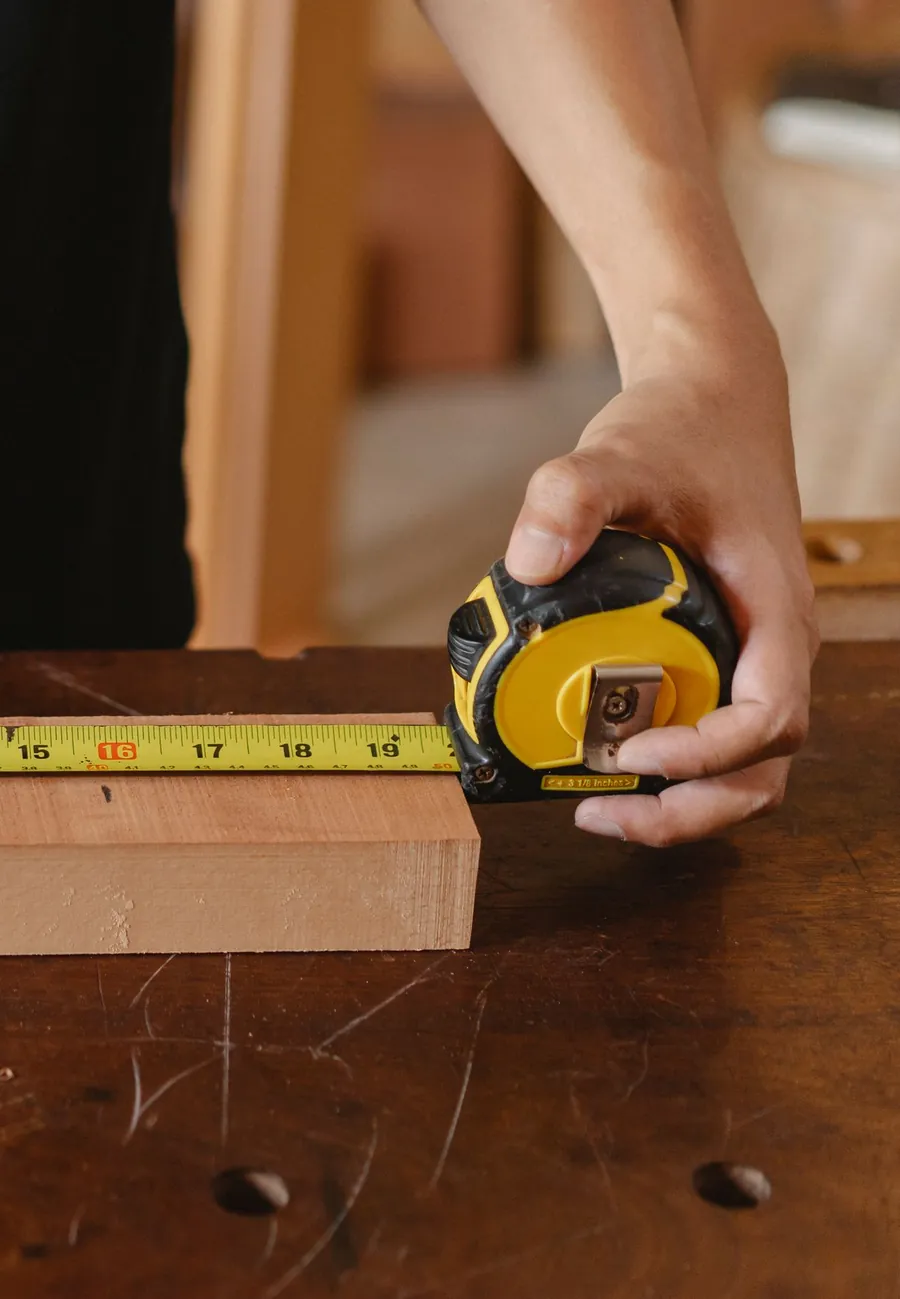
If you just moved in, the filter is missing, or you suspect the previous owner installed the wrong size, measure the space where the filter goes instead:
- Turn the system off at the thermostat.
- Open the filter door or return grille and measure the inside width and height of the opening where the filter sits.
- Measure the depth of the slot or track from front to back.
- Shop for a filter whose actual size is slightly smaller than the opening so it slides in without forcing.
HVAC.com suggests the filter’s actual height and width should be about ⅛ to ⅝ inch less than the slot, and about ⅛ inch less when the filter sits directly behind a grille. Because actual sizes vary between brands, check the actual dimensions in the product listing before you buy when you size from the slot.
Don’t measure the outside of the return grille. The visible grille is usually larger than the filter behind it. Measure the opening the filter actually sits in, or check the owner’s manual, which often lists the recommended filter size and type.
Step 5: Install the New Filter the Right Way
Once you have the right size, installing it takes a minute, but two details matter:
- Follow the airflow arrow. Every filter has an arrow printed on the frame. Point it in the direction the air moves: away from the return grille and toward the furnace or air handler. At the furnace, the arrow usually points toward the blower.
- Check the fit. The filter should slide in without bending and sit flat, with no obvious gaps around the edges. Close the door or grille fully, then turn the system back on.
If the new filter rattles loosely or you can see daylight around it, the size is wrong. Double-check your measurements before buying a full multipack.
Choosing a Filter Rating After You Know the Size
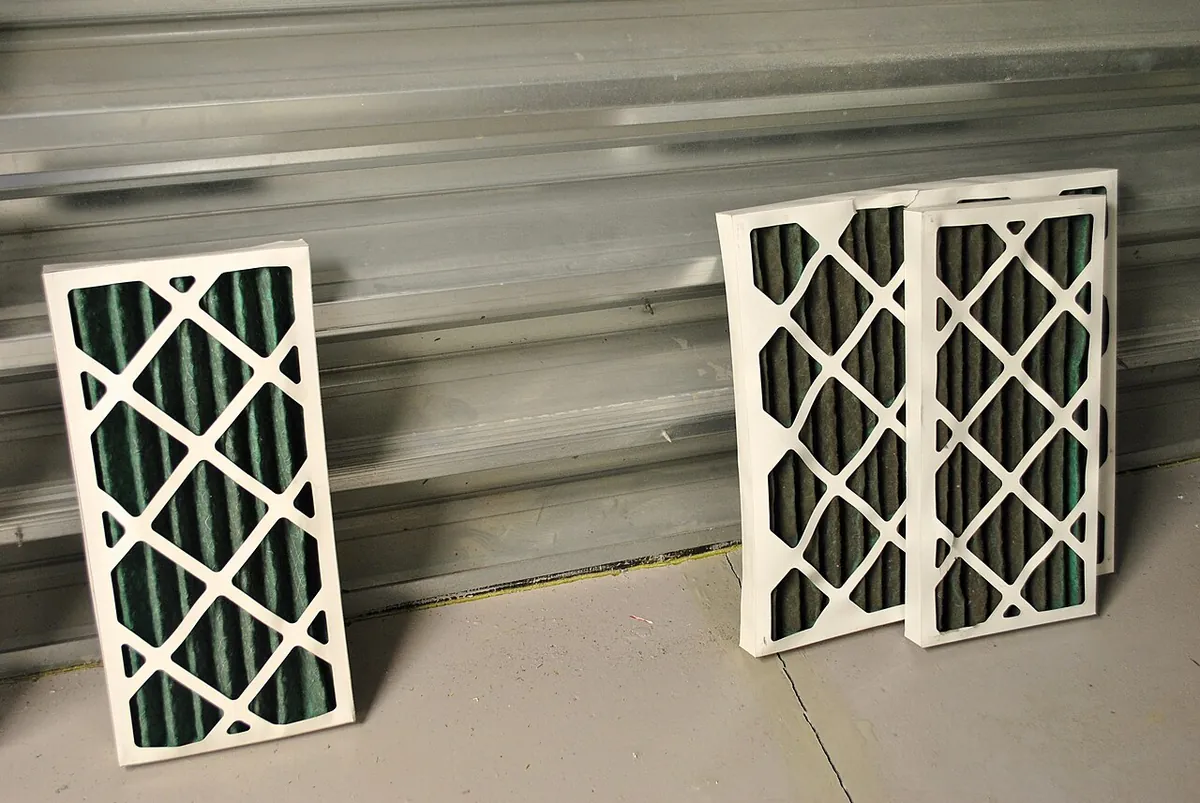

Once you know the size, you’ll see filters in that size with different efficiency ratings. The most common is the MERV rating (Minimum Efficiency Reporting Value). According to the EPA’s explanation of MERV ratings, a higher MERV means the filter is better at trapping particles. If you decide to upgrade, the EPA suggests a filter rated at least MERV 13, or as high as your system fan and filter slot can handle.
That last part is important. Thicker, higher-efficiency filters can restrict airflow on some systems, especially in a 1-inch slot. The EPA notes you may need an HVAC technician to determine the highest efficiency filter that works with your equipment. If you notice weaker airflow or new comfort problems after switching filters, go back to the type the manufacturer recommends and ask a pro.
How Often to Check and Replace It
Follow the filter and equipment manufacturer’s recommendations, and check the filter monthly during heavy heating or cooling seasons. Change it sooner if it looks gray and clogged, and check more often if you have pets, ongoing construction, or a dusty home. Our guide on when to clean your HVAC system covers other routine maintenance worth doing at the same time.
Common Filter Sizing Mistakes
- Buying by the grille size. The grille is usually larger than the filter slot behind it.
- Ignoring thickness. Two filters with the same width and height but different depths are not interchangeable.
- Rounding down. Round actual measurements up to find the nominal size. Rounding down leads to a filter that’s too small.
- Forcing a filter to fit. A bent or crushed frame leaks air around the edges.
- Assuming every return is the same. Homes with multiple returns or systems may use different sizes at each one.
- Installing it backward. Always follow the airflow arrow.
When to Call an HVAC Pro
Finding and changing a filter is a safe, simple DIY job. Call a licensed HVAC technician if:
- You can’t find the filter anywhere, or the only access appears to be inside a sealed panel.
- The filter slot is damaged, missing its door, or has gaps that let air bypass the filter.
- You want to upgrade to a thicker filter or a media cabinet and need to know whether your system can handle it.
- You see ice on the refrigerant lines or indoor coil, smell burning, or notice weak airflow even with a clean, correctly sized filter.
- Your system short cycles, runs constantly, or gives off a bad smell after a filter change.
A technician can also confirm the correct filter type for your equipment during a routine maintenance visit.
Air Filter Size FAQ
Where is the size written on an air filter?
It’s usually printed on the edge of the cardboard or plastic frame, as three numbers such as 16x25x1. The largest numbers are the nominal size, which is the size to buy.
Why is my filter smaller than the size on the label?
Filters are made slightly undersized so they slide into the slot easily. The labeled nominal size is rounded up to whole inches, while the actual size is often about ¼ to ½ inch smaller.
Does it matter which number is first, width or height?
Not really. A 20x25x1 and a 25x20x1 are the same filter. The thickness is always the last number, and that one must match your slot.
Can I use a 1-inch filter in a 4-inch slot?
No. It won’t seal against the frame, so air will bypass it. Use the thickness your slot or cabinet is designed for.
Can I use a filter that’s slightly smaller than mine?
Avoid it. Even small gaps let unfiltered air bypass the filter and carry dust into your equipment. Buy the correct nominal size, or a custom filter if your slot is an odd size.
What if my furnace takes more than one filter?
Some systems have filters at both the furnace and the return grilles, or several returns with different sizes. Check and record each location separately so you buy the right sizes.
More homeowner guides for heating, cooling, and plumbing are on the Home Maintenance Guide home page.