How to Flush a Water Heater
Flushing a tank water heater removes sediment that settles on the bottom of the tank. That buildup can make the heater work harder, shorten its life, and cause popping or rumbling sounds when the burner or elements fire. A yearly flush is a common homeowner maintenance job for a typical storage tank, as long as you follow the safety steps for your fuel type and your owner’s manual.
This guide covers why sediment builds up, what tools you need, how to drain and flush a typical tank electric or gas water heater, how to refill and restart it, how often to flush, a short note on tankless units, and when to call a pro.
This is general information only. Hot water can scald. Gas and electric water heaters involve fuel or high voltage. If you’re not comfortable with any step, the drain valve won’t open, or you smell gas, stop and call a licensed plumber or your gas utility.
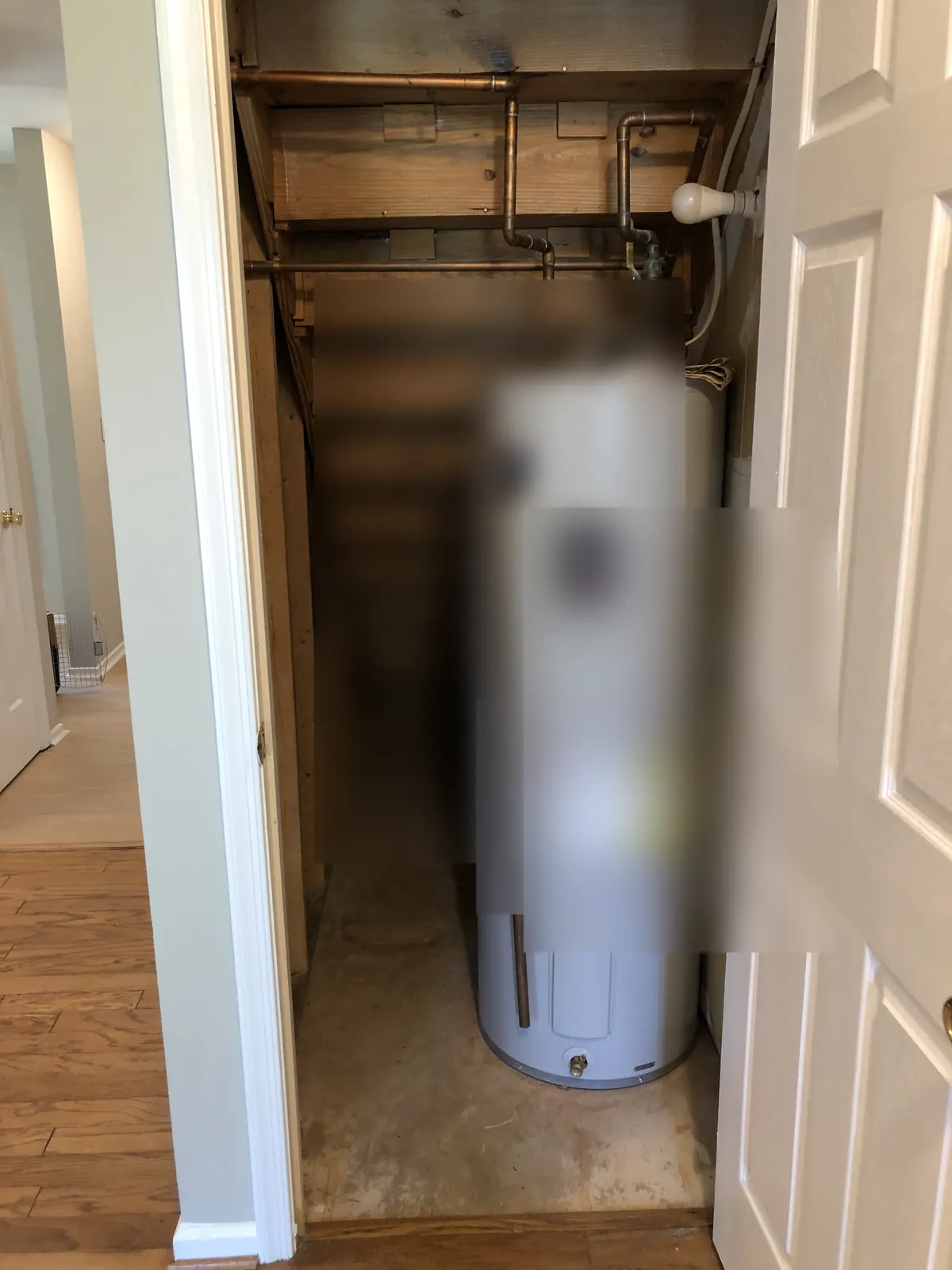

Safety first
Before you touch valves or power:
- Scald risk: Water leaving the tank and hose can be hot enough to burn. Keep kids and pets away. Wear closed shoes. If you can, shut the heater off and let the tank cool for a few hours, or overnight, before you drain.
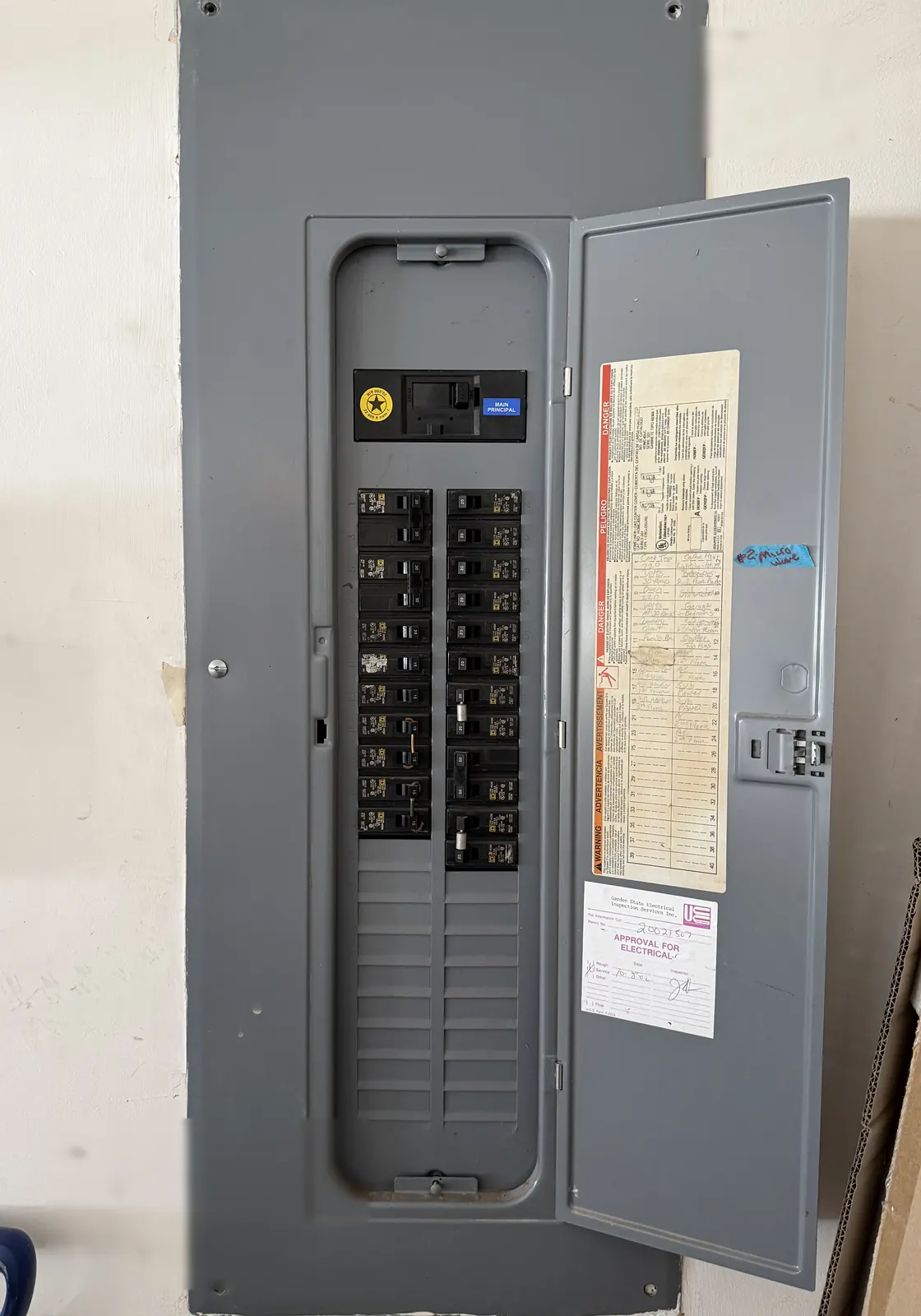
- Electric power off: Turn the water-heater breakers off at the panel (often a double breaker) before you drain. Never restore power until the tank is full again. An empty or partly empty electric tank can burn out the elements in minutes.
- Gas: Follow the manufacturer’s instructions to shut the unit down. Many gas manuals say to set the control to Pilot so the pilot stays lit while the burner stays off, or to turn the control to Off. If you smell gas, leave the area and call your gas utility or 911 from outside. Do not try to relight anything.
- Don’t force the T&P valve open as a drain shortcut, and don’t plug or cap the temperature-and-pressure relief discharge pipe. That valve is a safety device. If you need air into the tank while draining, open a hot-water faucet instead.
- Hose and discharge: Use a hose that can handle hot water. Route it to a floor drain, utility sink, or outdoors to a place lower than the tank. Watch for hot spray when you open the drain valve.
- Manual first: Your model’s drain, gas, and electrical steps override anything in a general guide.

Why flush: sediment in the tank
Hard water and everyday minerals leave sand-like or flaky sediment on the bottom of a storage tank. Over time that layer can:
- Insulate the water from the burner or heating elements, so the unit runs longer to heat the same amount of water.
- Cause popping, crackling, or rumbling as steam forms under the sediment.
- Contribute to corrosion and early tank failure.
- Reduce how much usable hot water you get before the tank runs cool.
You may notice cloudy or rusty-looking hot water, bits of grit at faucets, or odd noises from the tank. Those can have other causes too, including a failing anode rod or a leak. If you see water on the floor around the tank, see our guide on why your water heater is leaking before you plan a flush.
Tools and prep
Gather:
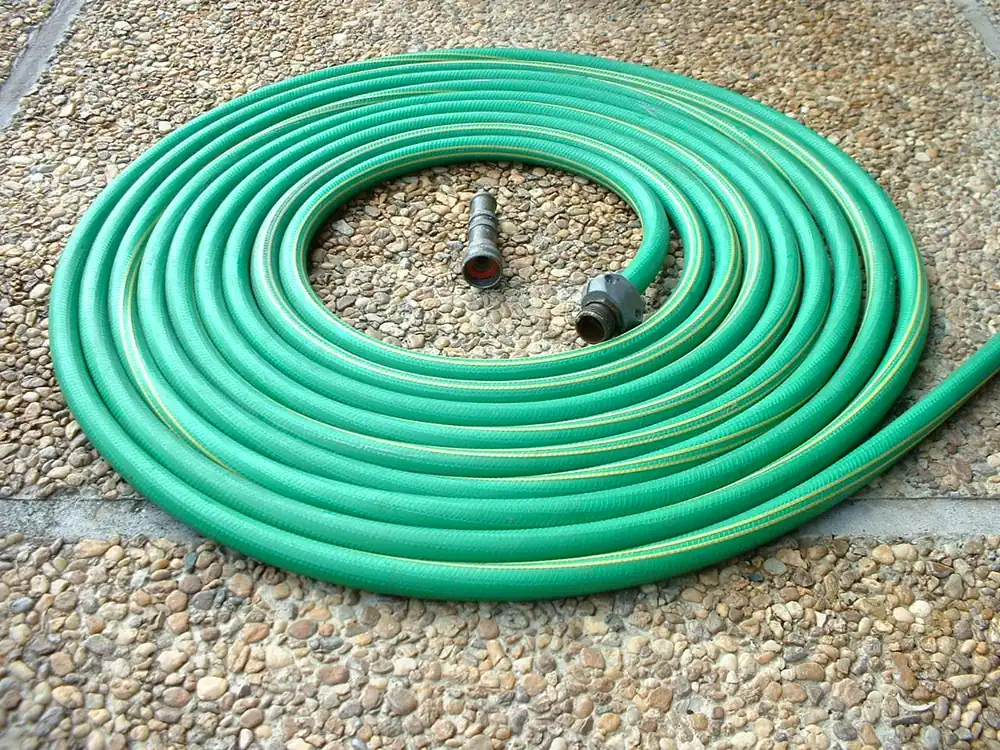
- A standard garden hose long enough to reach a safe discharge point lower than the tank
- A flat-head screwdriver (some drain valves need one)
- A bucket and old towels or rags for drips
- Gloves and eye protection
- Optional: a colander or screen over a floor drain to catch sediment so the drain doesn’t clog
- Your owner’s manual, if you have it

Prep steps:
- Tell everyone in the house that hot water will be off for a while.
- Find the cold-water shutoff on the inlet at the top of the tank (often a lever or wheel on the cold side). If there is no local shutoff, plan to use the main house shutoff.
- Find the drain valve near the bottom of the tank. It usually looks like a hose bib or a small round valve with hose threads.
- For electric tanks, locate the breaker(s) labeled water heater.
- For gas tanks, locate the gas control and read the lighting instructions on the label.
- Clear a path for the hose and put towels under the drain valve.
Step-by-step: drain and flush a tank water heater
The same basic sequence applies to typical tank electric and gas units. The difference is how you shut the heat source off and how you turn it back on.
1. Shut off the heat source
Electric: Flip the water-heater breakers fully off. Confirm nearby outlets or a light on a different circuit still work so you know you didn’t kill the wrong breaker by accident.
Gas: Set the gas control per the manual (often Pilot or Off). Do not skip this step. An empty tank with the burner firing is a hazard and can damage the tank.
2. Shut off the cold-water inlet
Close the cold-water valve on the supply into the tank. Lever valves are closed when the handle is across the pipe; wheel valves close by turning clockwise. If you can’t find a local valve, shut the main water to the house.
3. Open a hot-water faucet
Open a hot-only faucet somewhere in the house, ideally higher than the water heater. That lets air into the system so the tank can drain instead of creating a vacuum. Water may run briefly, then slow to a trickle once the inlet is closed.
4. Connect the hose and open the drain valve
Attach the garden hose to the drain valve and run the other end to a floor drain, utility sink, or outdoors to a spot lower than the tank. Open the drain valve by hand or with a flat-head screwdriver (counterclockwise). Expect hot water at first if the tank has not cooled.
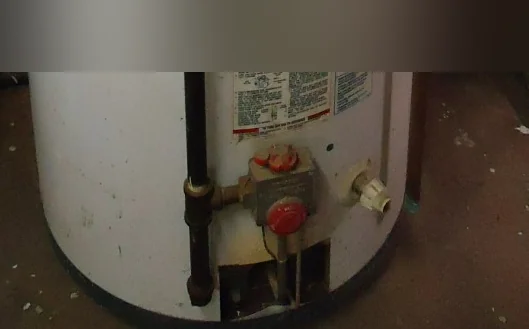

Draining a 40- or 50-gallon tank often takes 20 to 40 minutes. If flow slows to almost nothing, sediment may be clogging the valve. Briefly closing and reopening the valve, or pinching the hose to send a short reverse pulse, sometimes clears it. If the valve is stuck, broken, or won’t pass water, stop and call a plumber. Forcing a brittle plastic drain valve can flood the room.
5. Stir and flush the sediment
After the tank has mostly drained, briefly open the cold-water inlet for about 10 seconds to stir leftover sediment, then close it again. Repeat as needed. When the tank is empty enough, leave the drain open and open the cold inlet so fresh water rinses through until the water from the hose runs clear. Close the hot faucet during this flush if you want more pressure through the drain and less cloudy water in the house lines.
Building America Solution Center guidance from the U.S. Department of Energy’s Pacific Northwest National Laboratory walks through a similar drain-and-flush sequence for storage tanks, including stirring sediment with short bursts of cold water and rinsing until the discharge runs clear.
6. Close the drain, refill, and purge air
Close the drain valve firmly. Remove the hose carefully (keep the free end low so residual water drains out). Fully open the cold-water inlet. Keep a hot faucet open until the sputter of air stops and you get a steady stream. Then close the faucet. Check around the drain valve and hose connection for leaks.
7. Restore power or gas only when the tank is full
Electric: Only then turn the breakers back on. Powering an empty electric heater can destroy the elements.
Gas: Restore the control per the manual. If the pilot went out, relight only by following the printed instructions on the tank. If you can’t light it, or you smell gas, stop and call for help.
Wait for the tank to reheat before you expect hot water at the taps. Avoid laundry for a few hours if the water still looks cloudy.
Frequency: how often to flush
Many manufacturers and utility programs suggest flushing a storage tank about once a year. Homes with hard water, or tanks that make a lot of noise, may need it more often. Always follow your manual for the interval that matches your model and water quality.
A short partial drain (a few gallons from the drain valve into a bucket) can be a lighter mid-year habit if your water is hard, but a full flush is still the better annual job.
Tankless water heaters (brief note)
Tankless units don’t store a tank of water, so they aren’t “flushed” the same way. They often need periodic descaling with a pump and manufacturer-approved solution, especially in hard-water areas. That process is different from the steps above. Use the manual for your tankless model, or hire a technician familiar with that brand.
When to call a professional
Call a licensed plumber if:
- The drain valve is seized, leaks when opened, or breaks.
- You can’t shut off the cold inlet or the main water.
- The tank is leaking, heavily rusted, or sitting in a pan full of water (see why your water heater is leaking).
- You have a gas unit and are not comfortable shutting it down or relighting the pilot.
- Sediment is so heavy that homeowner flushing doesn’t clear it, or the valve keeps clogging.
- Hot-water pressure is low throughout the house for reasons that don’t point to the tank alone (see why water pressure is low).
- You’re dealing with a tankless descaling job you don’t want to DIY.
Also call a pro before winter if you need the system drained for a long vacancy; freezing a half-full tank or nearby pipes is a separate risk covered in how to prevent frozen pipes.
For more help with common household plumbing problems, browse our plumbing guides.
Frequently Asked Questions
How long does it take to flush a water heater?
Plan on one to two hours including cool-down, drain, flush, refill, and reheat. The drain alone is often 20 to 40 minutes for a typical tank.
Can I flush a water heater without turning off the power or gas?
No. Always shut the heat source off first. An empty or low tank with elements or a burner on can be damaged quickly and is unsafe.
What if the water never runs clear?
Keep flushing in short cycles. If grit keeps coming after a long rinse, or the drain keeps clogging, have a plumber inspect the tank. Very old tanks with heavy scale sometimes need replacement rather than endless flushing.
Is rusty or brown water from the drain normal during a flush?
Some discoloration and sand-like particles are common when sediment leaves the tank. Continuous rusty hot water at faucets after a flush, or water on the floor, deserves a closer look for corrosion or a leak.
Do I need to replace the drain valve?
Plastic drain valves get brittle and can leak. Many plumbers upgrade them to a full-port brass ball valve with a hose adapter when they service a tank. That’s optional for a routine flush if your valve works and seals, but it’s a smart upgrade if the valve is old or sticky.
Should I open the T&P valve every time I flush?
Not as a drain method. Test the temperature-and-pressure relief valve only as your manual describes, with a bucket under the discharge, and only if the valve and discharge pipe are in good condition. If it drips afterward or won’t reseat, call a plumber.
Flushing a tank water heater once a year is one of the simplest ways to protect the unit you already own. Work slowly, keep the heat source off until the tank is full, and get help when a valve or gas step doesn’t feel right. For more household plumbing help, browse our plumbing guides and the Home Maintenance Guide home page.