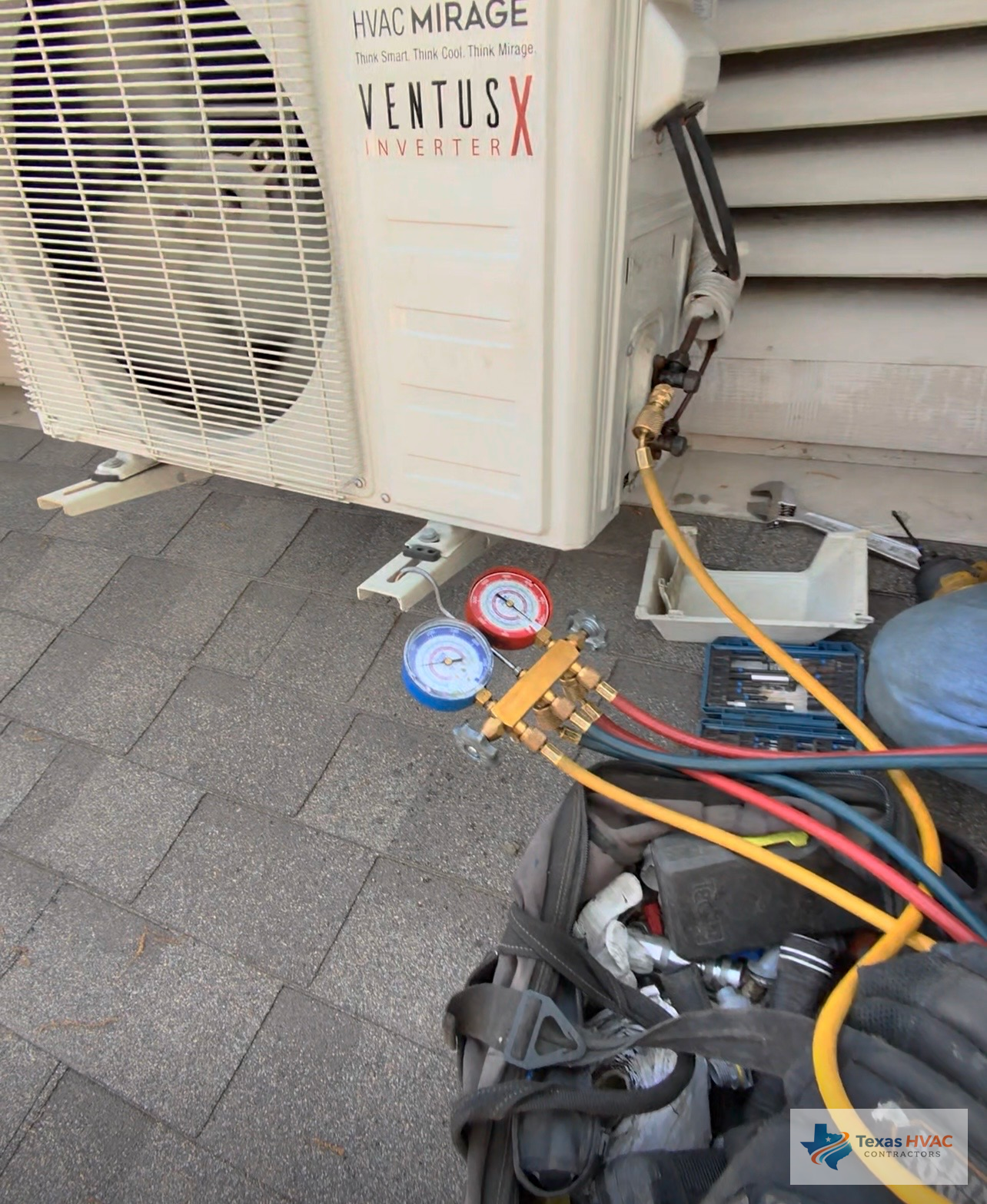
Knowing when to clean your HVAC system can help improve airflow, indoor air quality, energy efficiency, and overall comfort. This guide explains the warning signs, the parts that need cleaning most often, and when simple maintenance is enough versus when it is time to call an HVAC professional.
FiltersAir DuctsCoilsMini Splits
General information only. Electrical, gas, and refrigerant work can be dangerous and in many states requires a licensed contractor. When in doubt, call a licensed pro.
Why Cleaning Your HVAC System Matters
Over time, dust, dirt, pet hair, moisture, and other debris can build up inside different parts of your heating and cooling system. When that buildup becomes too heavy, it can reduce airflow, make your HVAC system work harder, lower efficiency, and even affect the air inside your home. Cleaning the right parts at the right time can help your system run better and last longer.
Signs Your HVAC System May Need Cleaning
Some HVAC systems need attention sooner than others. Homes with pets, smokers, recent remodeling, heavy dust, or high HVAC usage may need more frequent cleaning and filter changes.
Dust collecting quickly around vents
Weak airflow from registers
Musty or dirty smell when the system runs
Visible dirt on filters or coils
More allergy irritation indoors
Higher energy bills without a clear reason
Parts of Your HVAC System That Often Need Cleaning
Not every part of an HVAC system needs the same cleaning schedule. Some parts, like filters, need attention often. Others, like ducts or coils, usually need inspection first before cleaning is done.
HVAC Filters
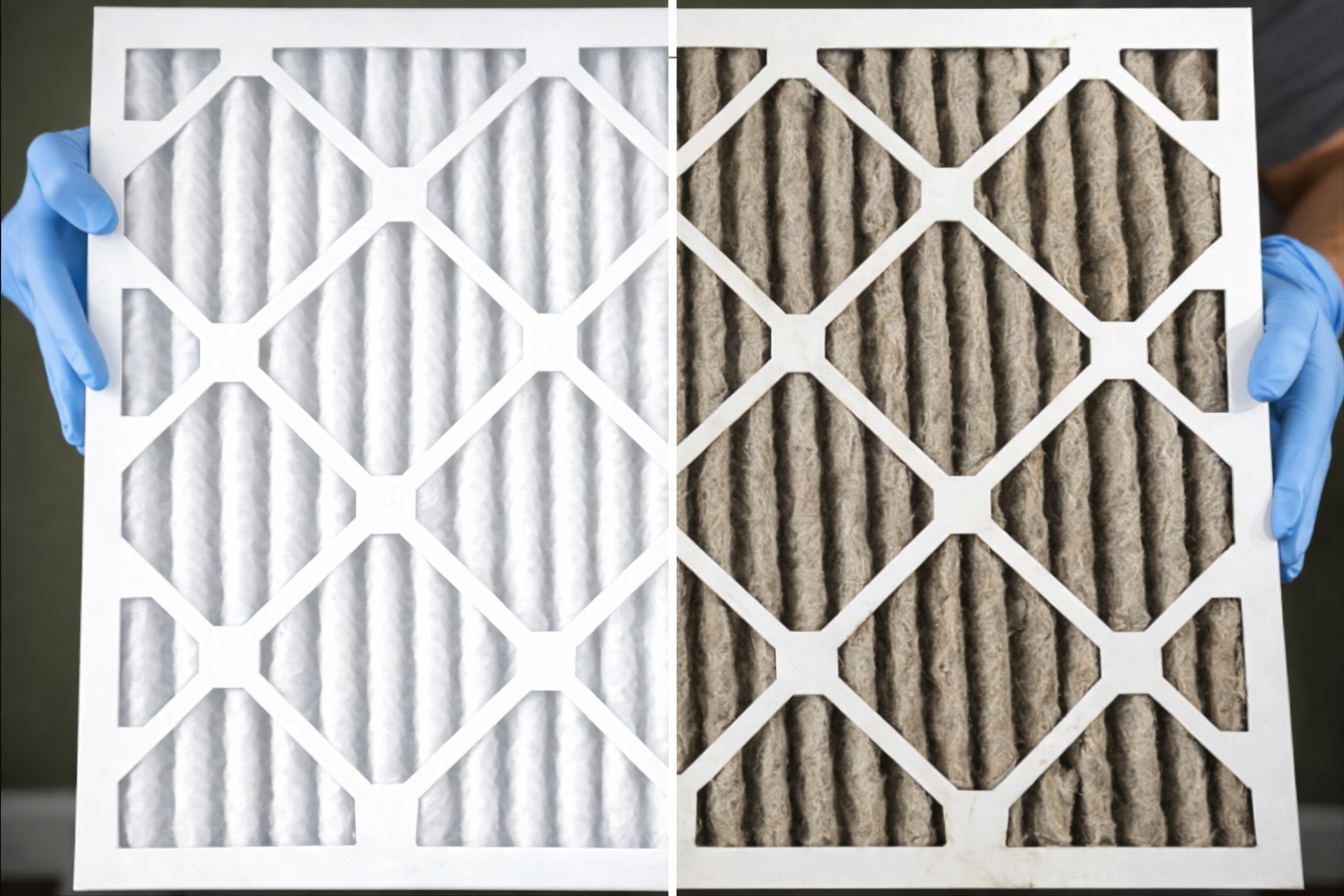
Air filters are usually the first thing homeowners should check. A dirty filter can restrict airflow, reduce efficiency, and make your system work harder than it should.
Evaporator and Condenser Coils
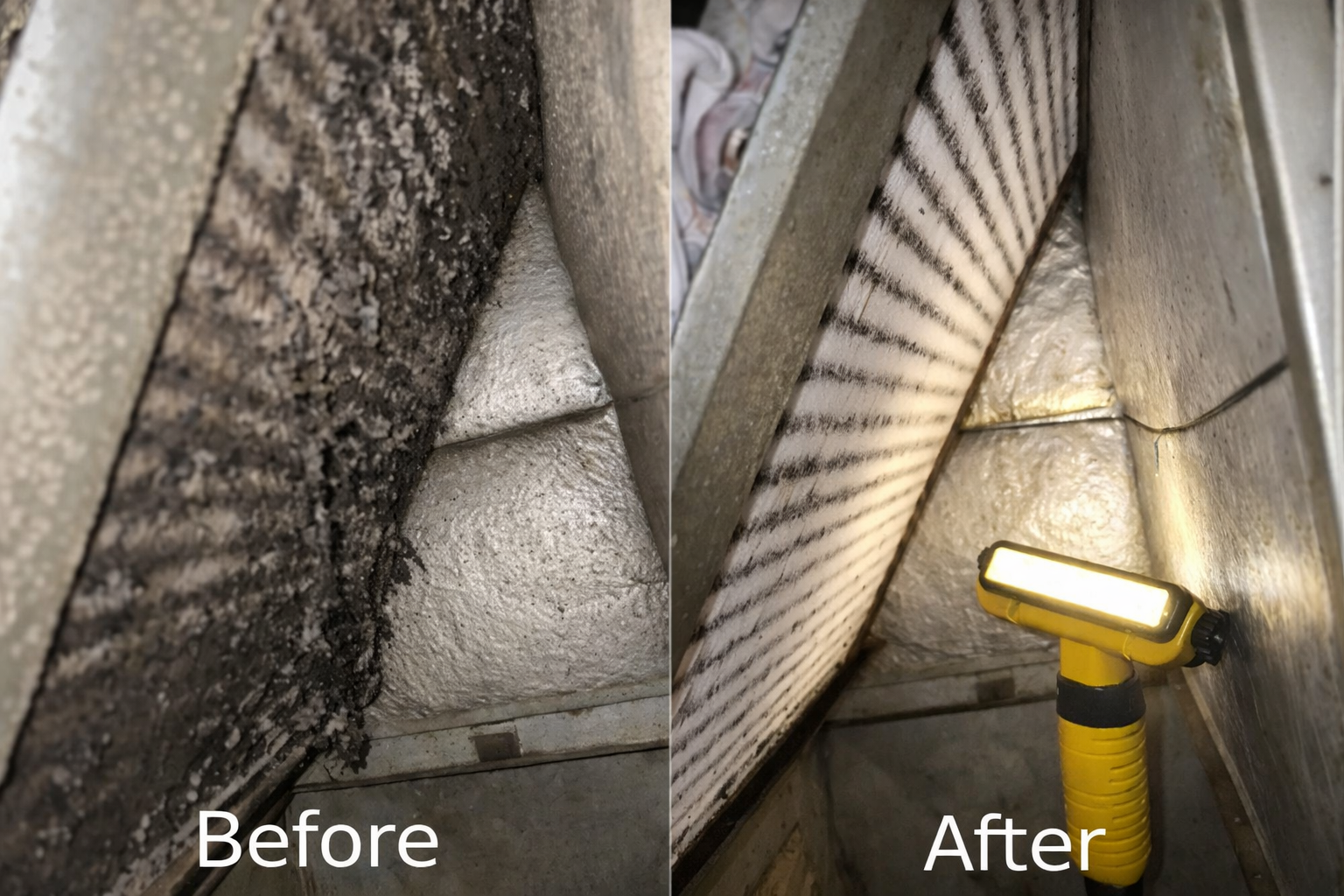
Dirty coils can reduce cooling performance and energy efficiency. Light buildup can be a problem over time, especially if filter changes have been ignored.
Air Ducts
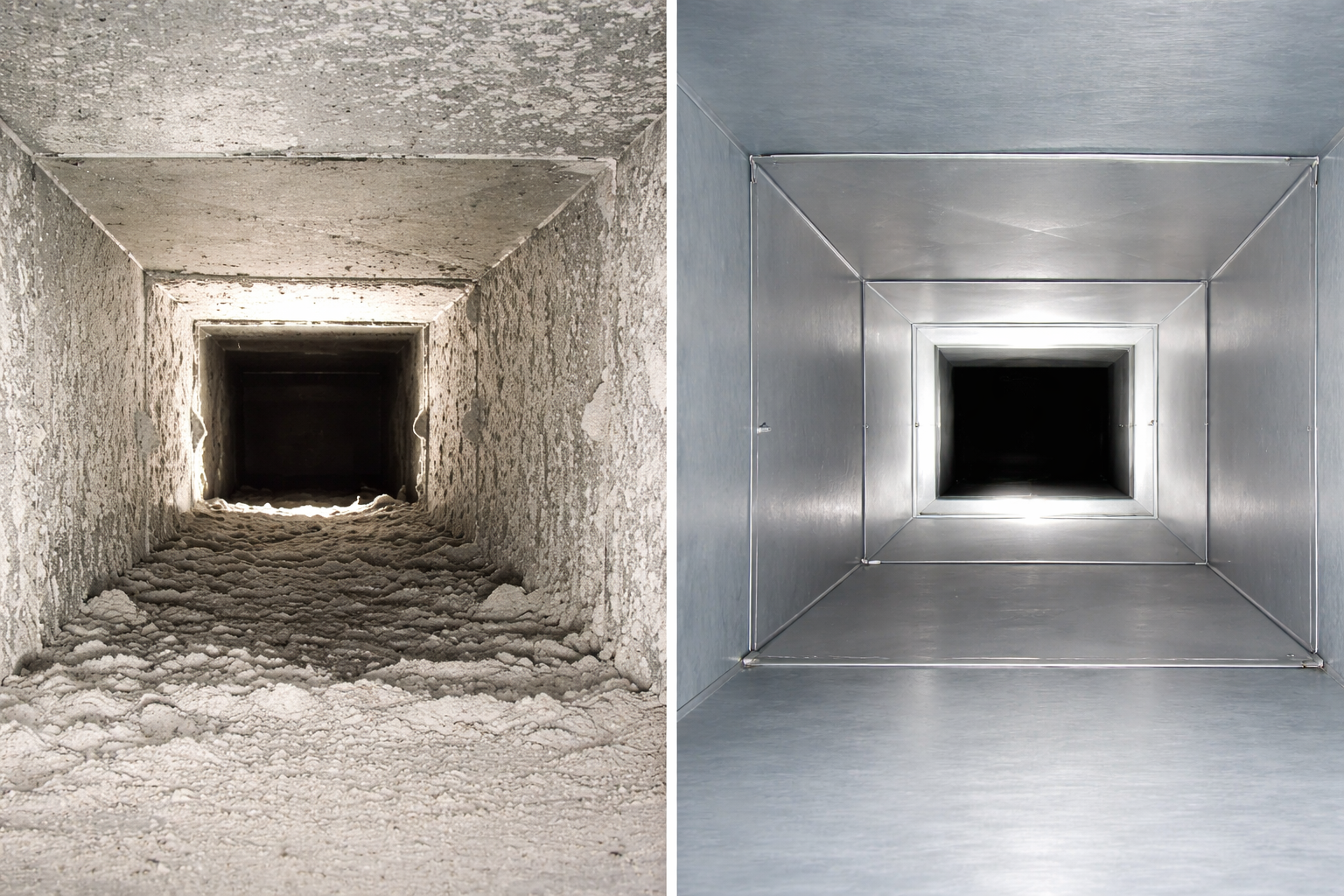
Air ducts do not always need regular cleaning, but they should be checked if you notice heavy dust, mold concerns, pest problems, or debris blowing out of vents.
Mini Split Cleaning
Mini split systems need regular filter cleaning and occasional deeper cleaning to prevent dust buildup, poor airflow, and unpleasant smells.
Professional HVAC Service
When Should You Call an HVAC Professional?
Some HVAC issues go beyond basic maintenance and should be handled by a licensed technician
to avoid damage, safety risks, or costly repairs.
Refrigerant Issues: Low cooling or frozen coils need professional repair.
Electrical Problems: System not turning on or tripping breakers.
Mold or Strong Odors: Could mean deeper system contamination.
Water Leaks: Drain issues or internal damage.
No or Weak Airflow: Could be blower or duct problems.
HVAC Benefits
Benefits of Regular HVAC Cleaning
Regular HVAC maintenance helps your system run better, improves air quality,
and reduces the chances of expensive repairs or breakdowns.
Better Airflow: Clean systems move air more efficiently.
Lower Energy Bills: Less strain means lower electricity use.
Improved Air Quality: Reduces dust, allergens, and odors.
Longer System Lifespan: Prevents wear and early breakdowns.